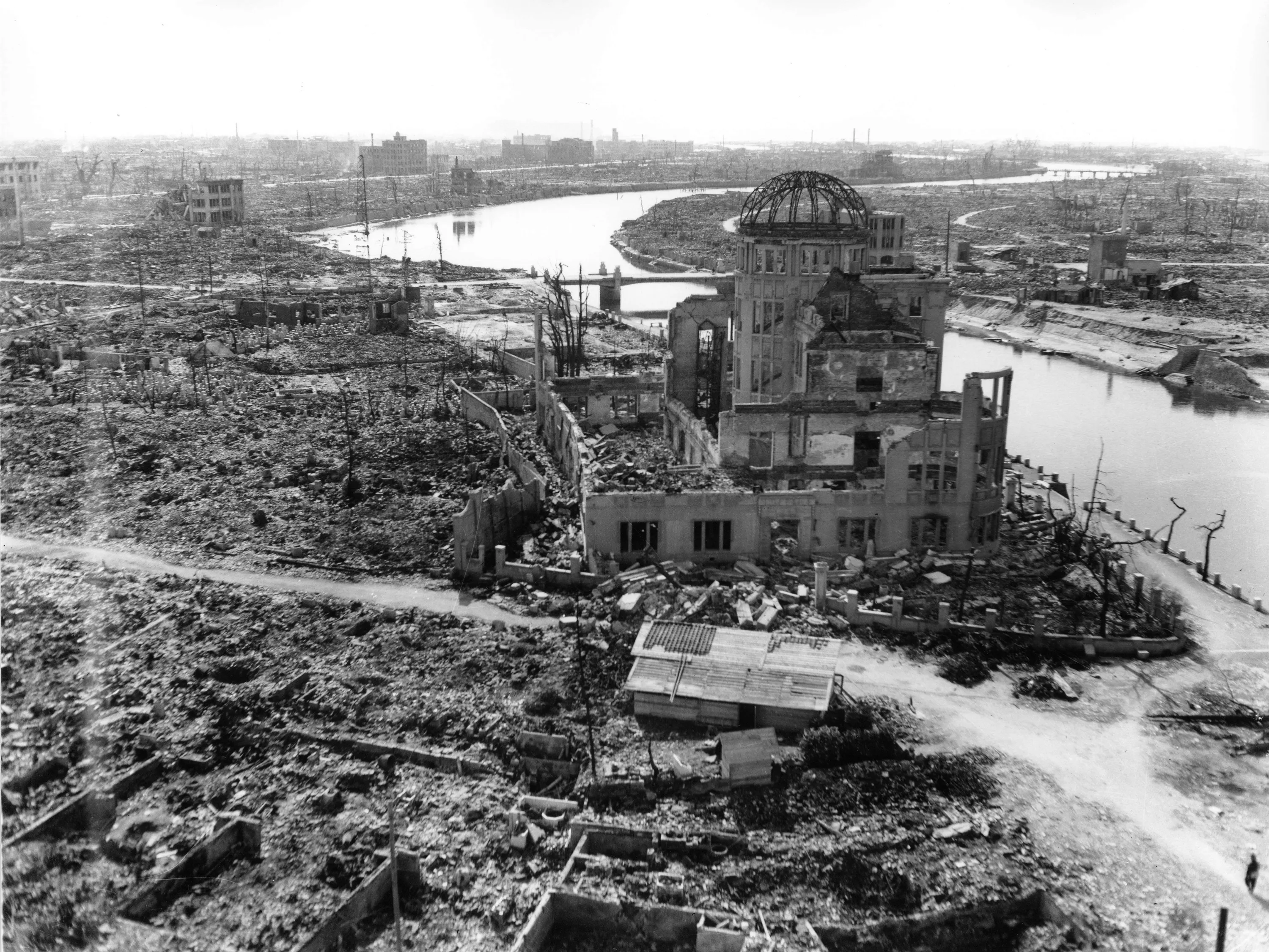
Hiroshima And Nagasaki
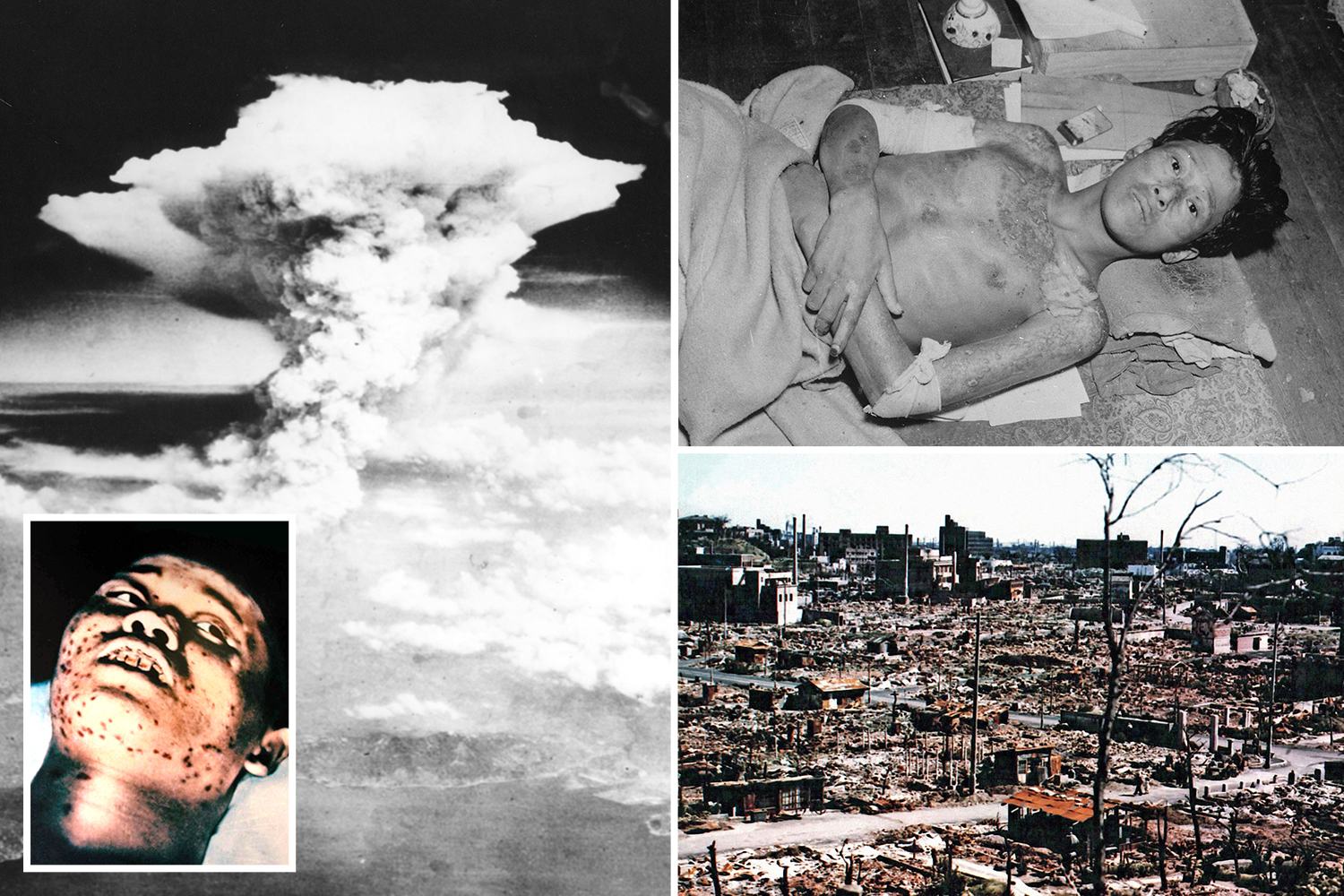
1. Hiroshima: - On August 6, 1945, at around 8:15 a.m., the United States dropped an atomic bomb named "Little Boy" on Hiroshima. - The bomb exploded approximately 600 meters above the city, releasing an intense burst of heat, radiation, and a powerful shockwave. - The blast instantly killed an estimated 70,000 to 80,000 people and caused severe injuries to tens of thousands more. - The city's infrastructure was largely destroyed, with buildings and homes reduced to rubble. - The aftermath of the bombing led to widespread fires, further contributing to the destruction. - The long-term effects of radiation exposure resulted in an increased death toll, with estimates ranging from 90,000 to 166,000 people dying by the end of 1945. - The bombings of Hiroshima and Nagasaki marked the first and only use of nuclear weapons in warfare.
2. Nagasaki: - Three days after the Hiroshima bombing, on August 9, 1945, the United States dropped a second atomic bomb named "Fat Man" on Nagasaki. - The bomb detonated at approximately 11:02 a.m., exploding over the Urakami Valley. - The immediate death toll was estimated to be between 35,000 and 40,000 people, with thousands more injured. - Nagasaki's industrial and residential areas were severely damaged or completely destroyed. - Fires broke out across the city due to the intense heat generated by the explosion. - The long-term effects of radiation exposure resulted in an increased death toll, with estimates ranging from 39,000 to 80,000 people dying by the end of 1945. - The bombings of Hiroshima and Nagasaki led to Japan's surrender on August 15, 1945, effectively ending World War II. These bombings had a profound impact on the world, leading to discussions about the morality and consequences of using nuclear weapons. They also highlighted the devastating humanitarian and environmental effects of such weapons.