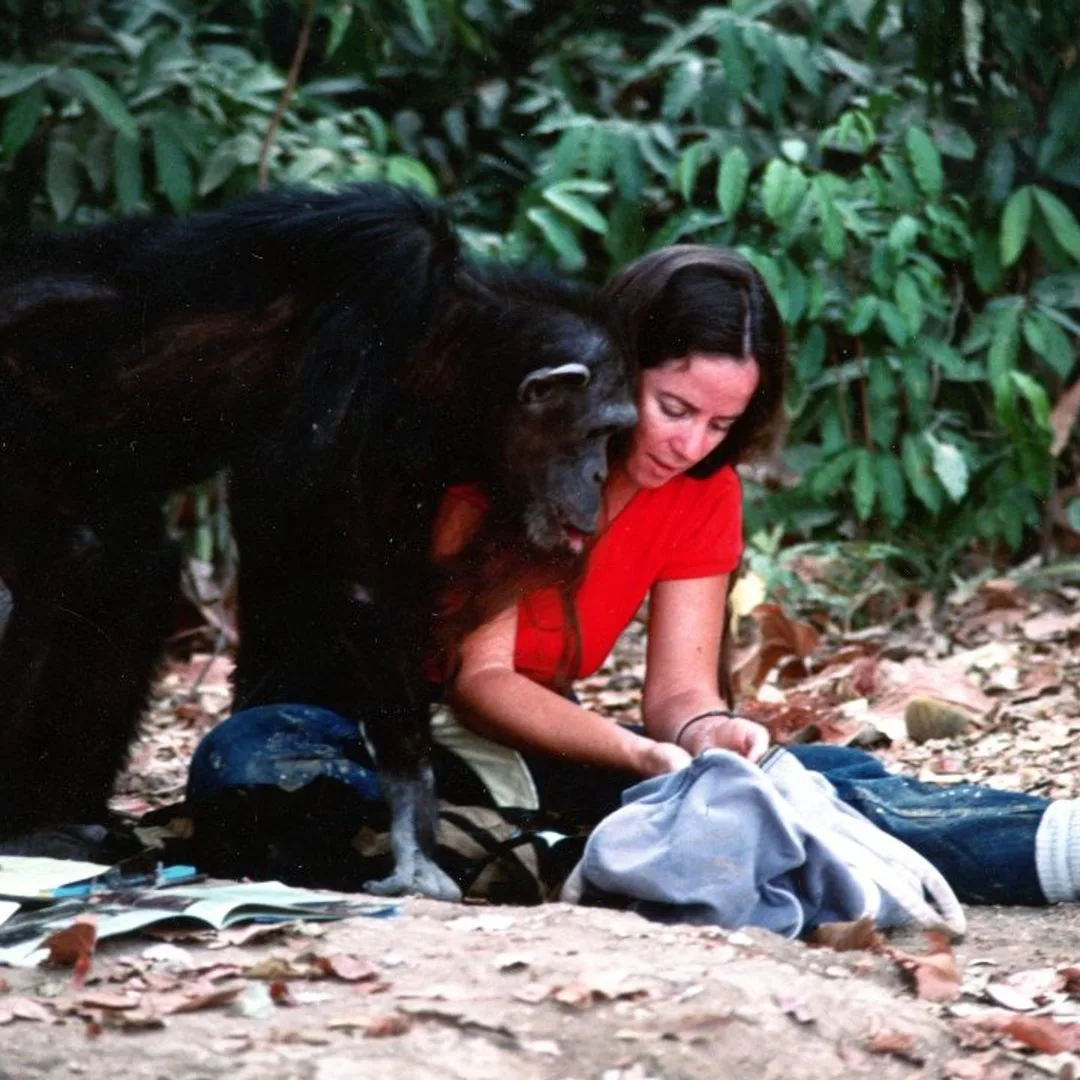
Lucy
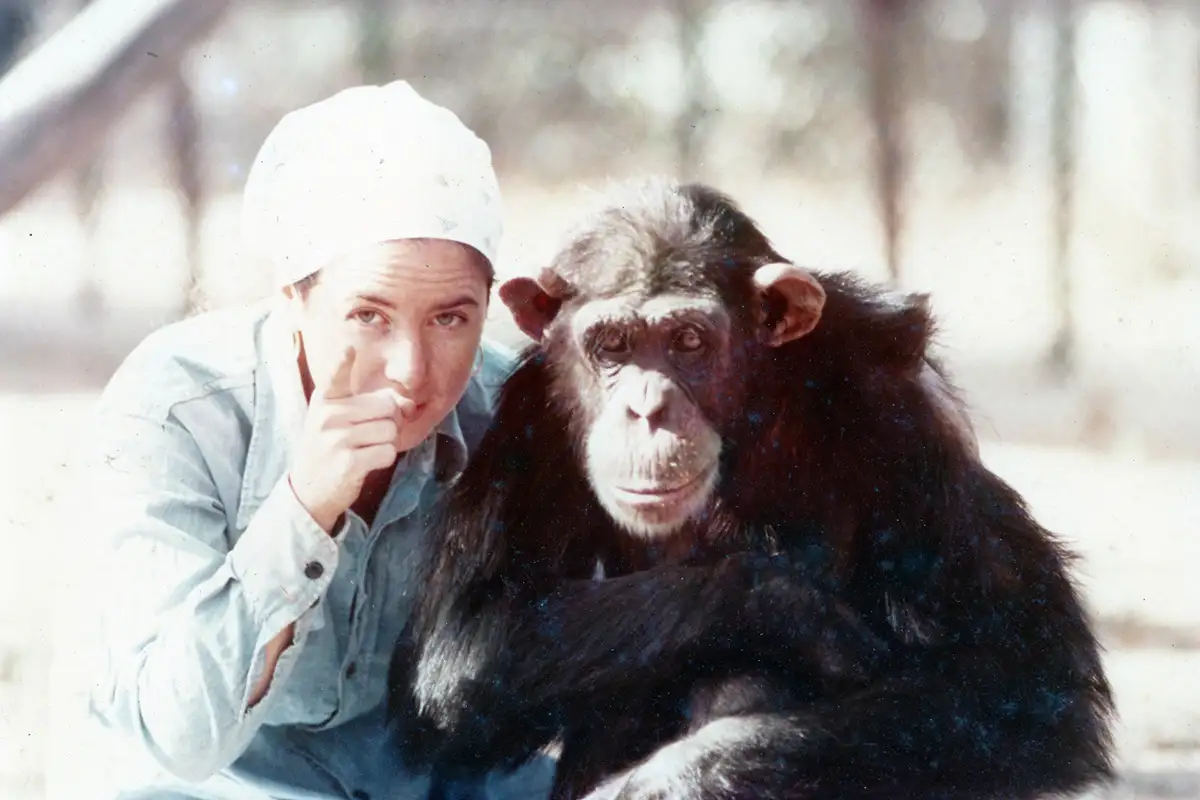
- 1. Birth: Lucy was born on July 12, 1964, in the African country of Gabon. She was captured from the wild at a very young age, estimated to be around two years old.
- 2. Language Acquisition: Lucy became famous for her participation in a groundbreaking experiment conducted by scientists Maurice and Jane Temerlin. They attempted to teach her human-like communication skills, including American Sign Language (ASL). Lucy was able to learn and use over 140 signs, demonstrating her remarkable cognitive abilities.
- 3. Socialization: Lucy was raised in a human home alongside the Temerlin family, treating them as her surrogate family. She developed close bonds with them, displaying affection and forming social connections similar to those observed in chimpanzee communities.
- 4. Emotional Intelligence: Lucy's ability to communicate through sign language allowed her to express emotions and desires effectively. She demonstrated empathy, understanding, and even humor during interactions with humans.
- 5. Research Contributions: Lucy's participation in the Temerlin experiment provided valuable insights into chimpanzee cognition, language acquisition, and their similarities to humans. Her abilities challenged the prevailing belief that only humans could acquire language.
- 6. Retirement: In 1985, after 21 years of living with the Temerlin family, Lucy was retired from the research facility and moved to the Chimpanzee and Human Communication Institute (CHCI) at Central Washington University in Ellensburg, Washington. Here, she continued to participate in research studies and interacted with students and visitors.
- 7. Death: Tragically, Lucy passed away on June 6, 1987, at the age of 22 due to complications during surgery. Her death sparked discussions about the ethical treatment of animals in research and the importance of providing appropriate care and environment for captive chimpanzees.
- 8. Legacy: Lucy's contribution to scientific research, particularly in the field of primate communication and cognition, is significant. Her story continues to inspire researchers, educators, and animal rights activists to advocate for the well-being and conservation of chimpanzees and other non-human primates. It is important to note that while Lucy's story highlights the potential for chimpanzees to acquire language-like skills, it is crucial to respect their natural habitats and promote conservation efforts rather than keeping them as pets or subjects of experiments.