Dark Ages
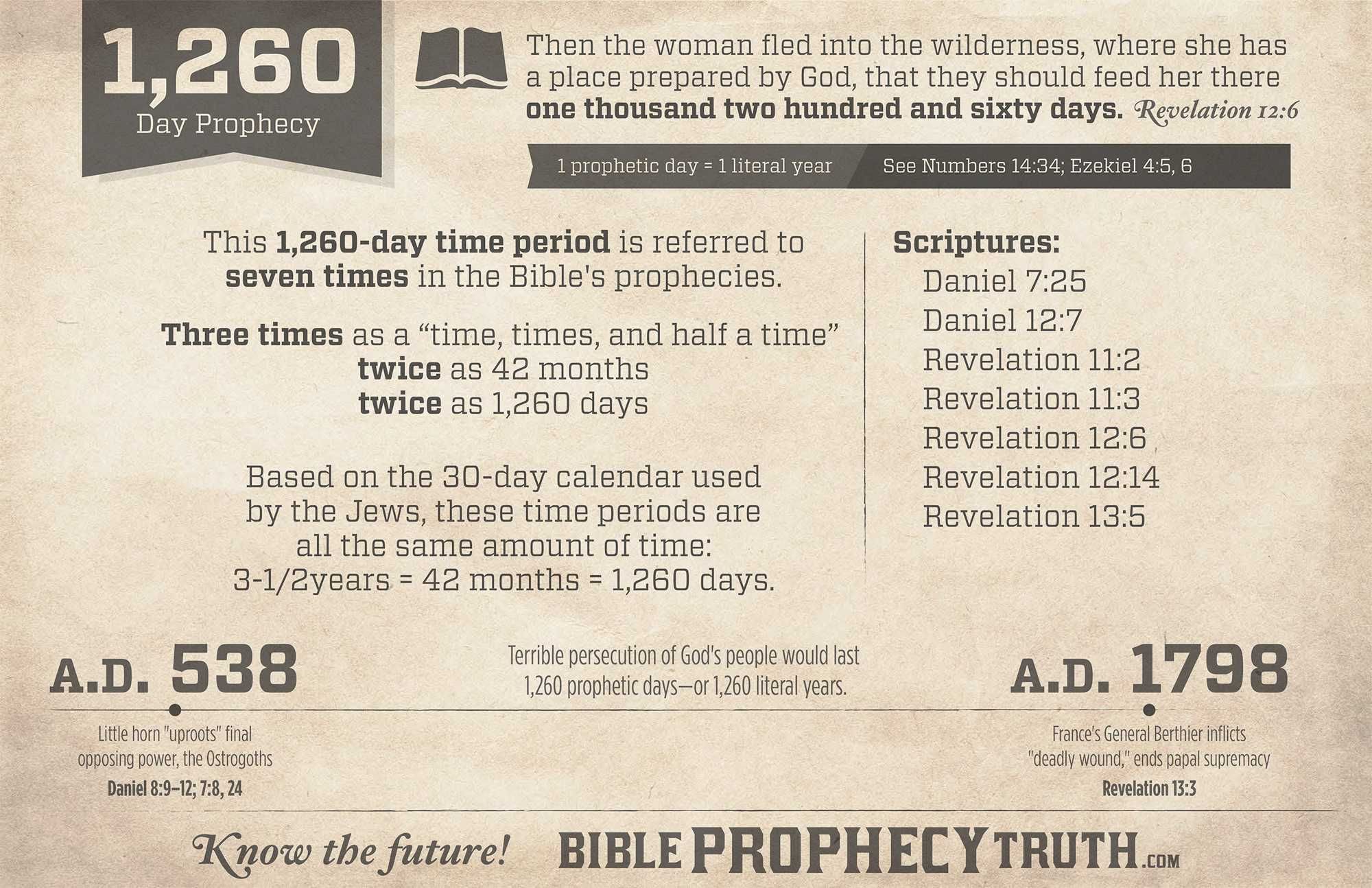
- 1. Start of the Period: The period is generally considered to have begun in the year 538 when the Byzantine Emperor Justinian issued a decree called the "Edict of Justinian" that recognized the bishop of Rome, or the pope, as the head of all Christian churches.
- 2. Influence and Authority: During these 1260 years, the papacy gradually gained political and spiritual authority over kings, emperors, and other leaders in Europe. Popes, such as Gregory VII (1073-1085), exerted significant control over secular affairs and even tried to depose rulers who did not obey them.
- 3. Conflict with Secular Powers: The papal supremacy often clashed with secular rulers who sought to assert their own authority. Notable conflicts include the Investiture Controversy, a power struggle between the popes and Holy Roman emperors over the appointment of bishops and the ultimate authority in ecclesiastical matters.
- 4. The Papal States: The popes established a temporal territory known as the Papal States during this period. With the support of various nobles and kingdoms, they ruled over significant portions of central Italy, including Rome. The Papal States lasted until 1870 when Italian unification led to their incorporation into the Kingdom of Italy.
- 5. Crusades: Several Crusades were initiated during this period, with the aim of retaking the Holy Land from Muslim control. The popes played a crucial role in their organization and promotion, using them as a means to extend their influence over both Western and Eastern Christian lands.
- 6. Conflict with Protestant Reformation: In the early 16th century, the Protestant Reformation emerged, challenging the authority of the papacy and leading to the establishment of various Protestant churches. This movement significantly reduced the political and religious power of the Catholic Church.
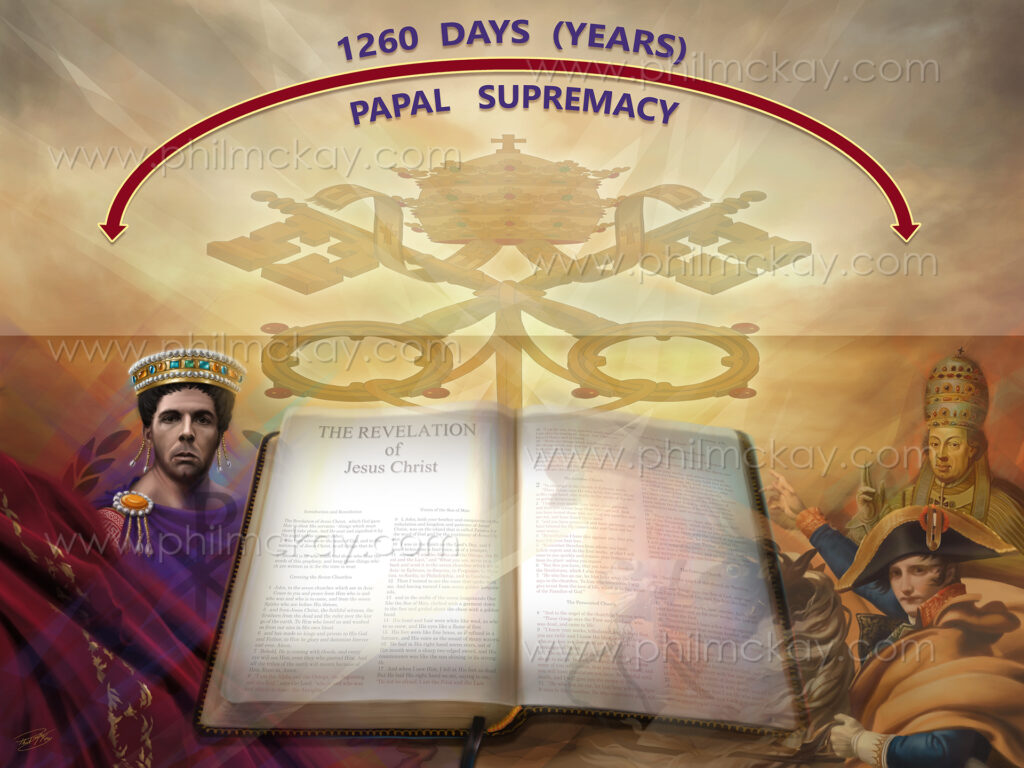
- 7. Decline of Papal Supremacy: The period of papal supremacy came to an end in 1798 when French troops under General Louis Alexandre Berthier invaded Rome and captured Pope Pius VI. The French revolutionaries abolished the Papal States, ultimately leading to the pope's loss of temporal authority.