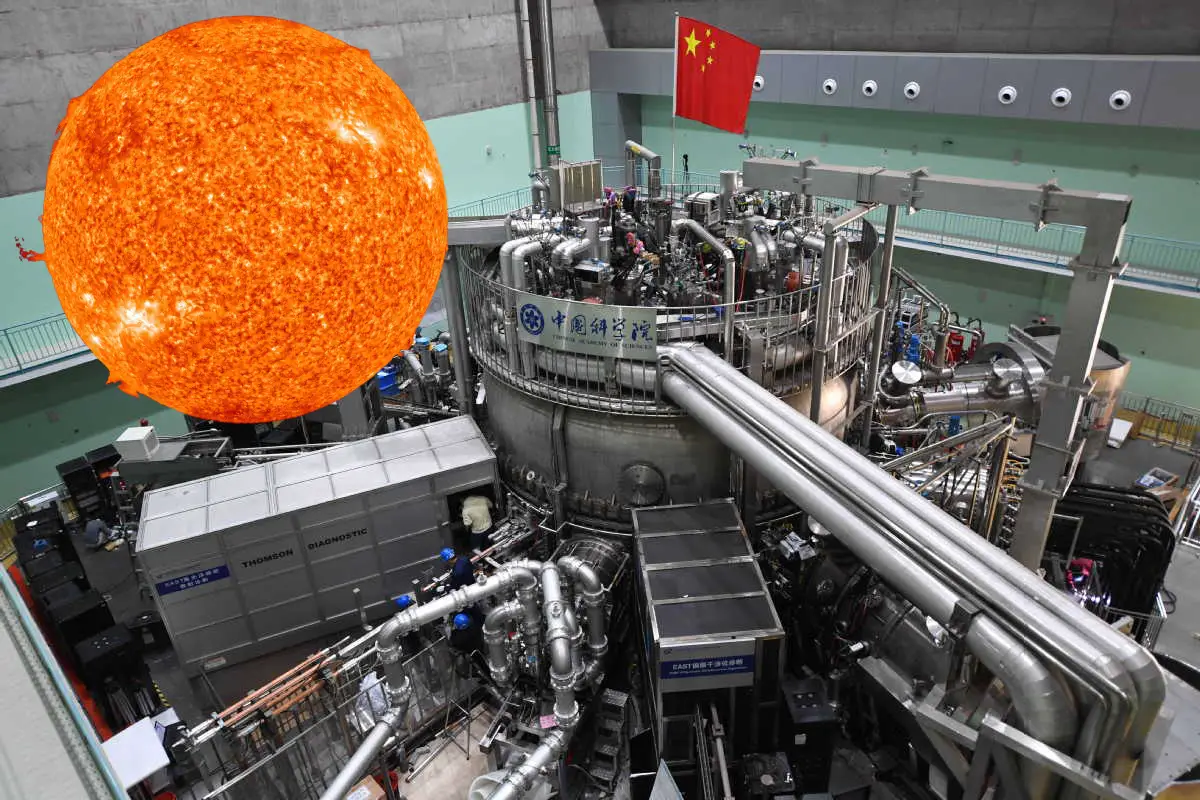
Experimental Advanced Superconducting Tokamak
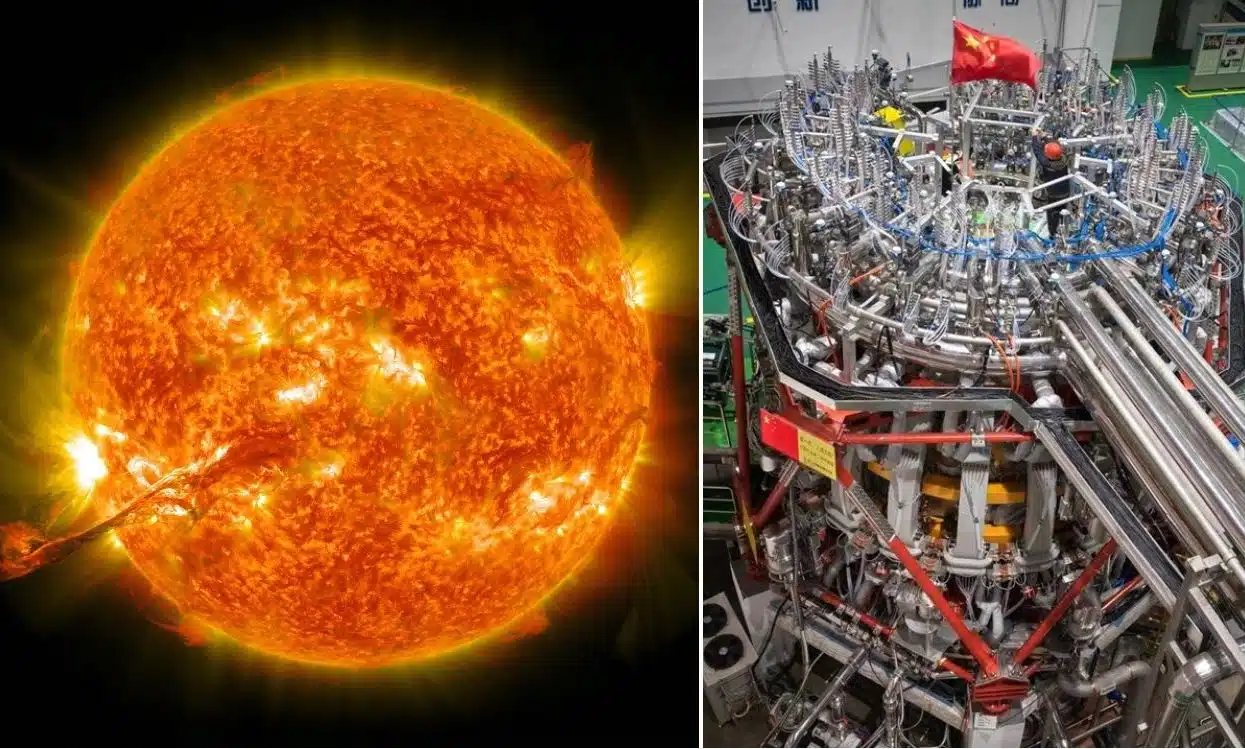
- 1. Purpose: The EAST project aims to develop and test nuclear fusion technology, which is considered a potential source of clean and abundant energy. Nuclear fusion is the process that powers the sun and other stars, where hydrogen atoms fuse together to form helium, releasing vast amounts of energy in the process.
- 2. Design: EAST is a tokamak device, which uses powerful magnetic fields to confine and control hot plasma (a state of matter similar to a gas but consisting of charged particles) at temperatures reaching tens of millions of degrees Celsius. The donut-shaped plasma chamber is surrounded by powerful superconducting magnets that create the necessary magnetic fields to contain the plasma.
- 3. Achievements: EAST has achieved significant milestones in nuclear fusion research, including sustaining high-temperature plasma for extended periods of time and reaching temperatures exceeding 100 million degrees Celsius, which is hotter than the core of the sun.
- 4. Experimental Results: Scientists at EAST have conducted experiments to study plasma behavior, confinement, and stability under extreme conditions. These experiments help researchers better understand the physics of nuclear fusion and develop technologies for future fusion power plants.
- 5. International Collaboration: The EAST project has collaborations with other fusion research institutions worldwide, including the International Thermonuclear Experimental Reactor (ITER) project in France, which is building the world's largest tokamak fusion device.
- 6. Future Prospects: The research conducted at EAST and similar fusion devices around the world aims to advance nuclear fusion as a viable and sustainable source of energy. Fusion energy has the potential to provide abundant, clean, and safe power with minimal environmental impact compared to current energy sources.
- 7. Challenges: Despite significant progress, nuclear fusion research faces challenges such as sustaining high-temperature plasma for long durations, developing materials that can withstand extreme conditions, and achieving a net energy gain from fusion reactions.