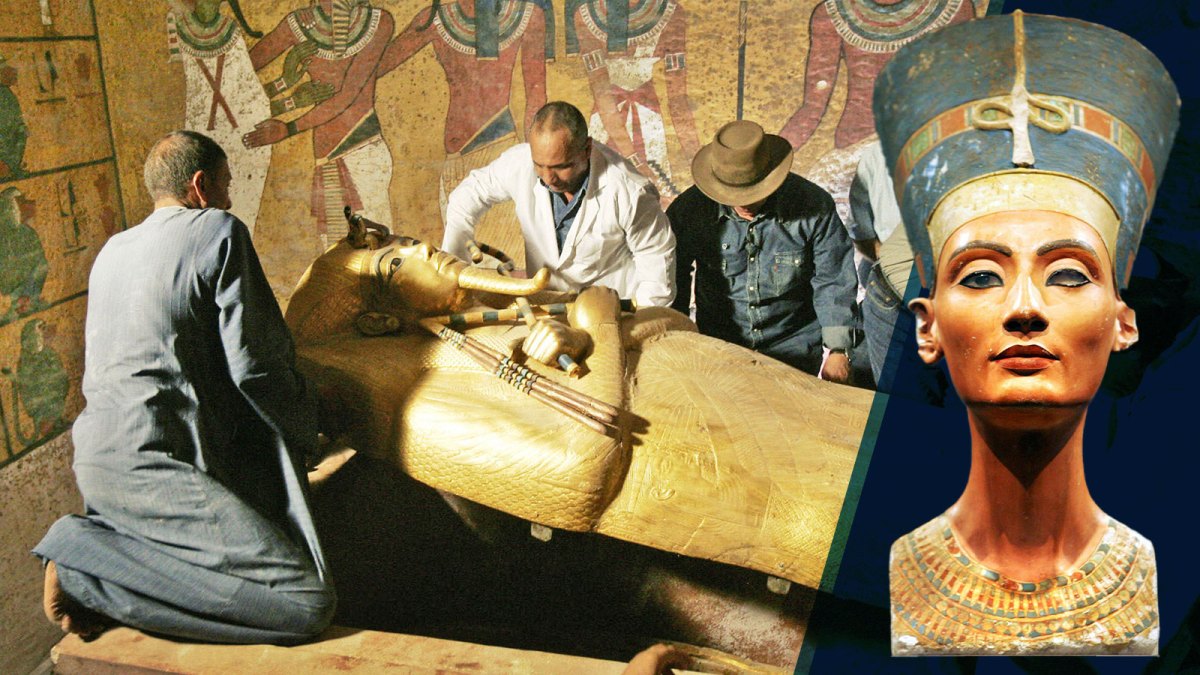
The Tomb Of King Tutankhamun
- 1. Discovery: The tomb of Tutankhamun was discovered on November 4, 1922, by British archaeologist Howard Carter. The tomb was located in the Valley of the Kings, near the city of Luxor (formerly Thebes), on the western bank of the Nile River.
- 2. Tutankhamun's Reign: Tutankhamun was an ancient Egyptian pharaoh who reigned during the 18th dynasty (approximately 1332-1323 BCE). He ascended to the throne at a young age and died around 18 years old.
- 3. Carter's Expedition: Howard Carter's expedition was funded by the 5th Earl of Carnarvon, George Herbert. After years of searching, with waning patience and resources, Carter made the remarkable discovery of Tutankhamun's tomb.
- 4. Contents of the Tomb: The tomb contained an enormous wealth of artifacts that had been buried with the pharaoh. Among the treasures were gold jewelry, statues, chariots, weapons, furniture, canopic jars, and the iconic golden funerary mask that covered Tutankhamun's mummified face.
- 5. Curse of the Pharaohs: The discovery of Tutankhamun's tomb was accompanied by a widespread belief in the "Curse of the Pharaohs." This notion held that anyone who disturbed an ancient Egyptian tomb would be cursed and face misfortune or death. The mysterious deaths of Lord Carnarvon and several others who were involved in the expedition fueled this superstition.
- 6. Global Impact: Tutankhamun's tomb became an international sensation, captivating the public's imagination worldwide. The treasures from the tomb were extensively studied, photographed, and exhibited, sparking a renewed interest in ancient Egyptian history and culture.
- 7. Conservation and Preservation: Due to the immense historical value and fragility of the artifacts, extensive preservation efforts were undertaken. The treasures were painstakingly cleaned, cataloged, and restored by a team of archaeologists and conservators.
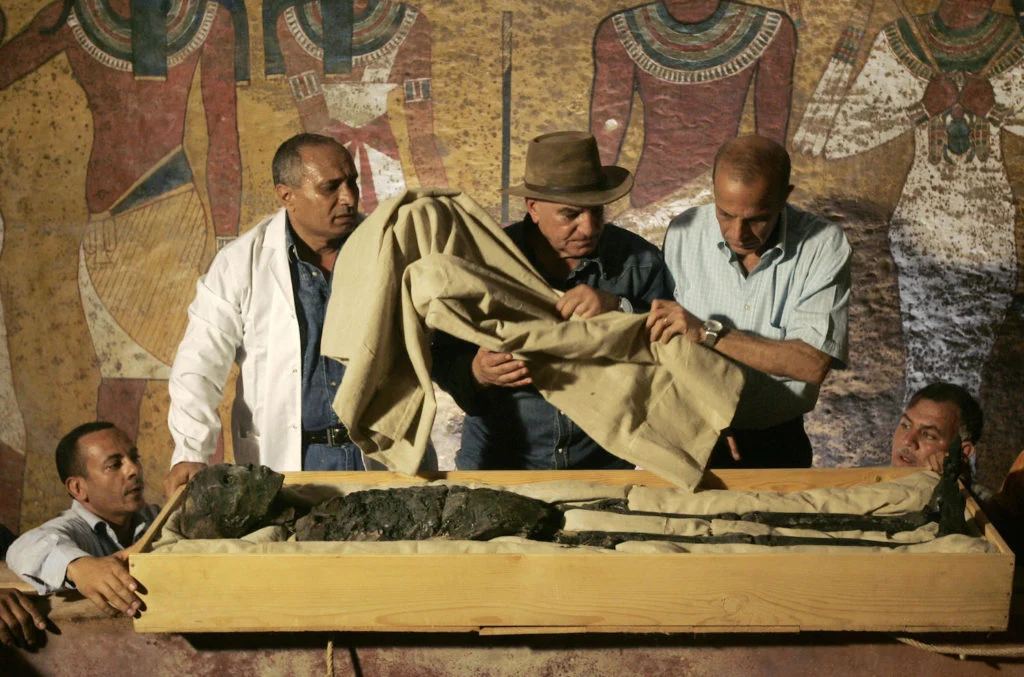
- 8. The Pharaoh's Mummy: Tutankhamun's mummy was also found within the tomb. It was carefully studied using modern techniques, such as CT scans, which provided insights into the king's appearance, health issues, and cause of death (likely infection resulting from a broken leg).
- 9. Legacy and Egyptian Antiquities: The discovery of Tutankhamun's tomb had a lasting impact on Egyptology and the preservation of ancient Egyptian artifacts. It prompted increased government regulations and international cooperation to protect and preserve Egypt's cultural heritage.