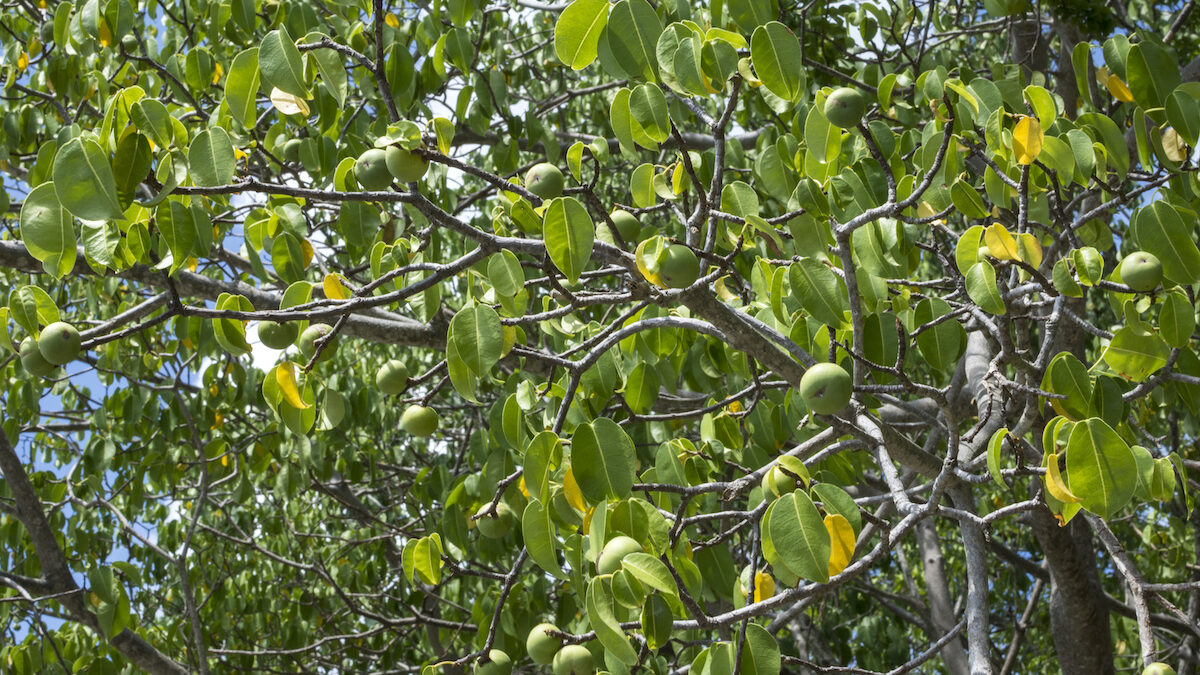
The Manchineel Tree
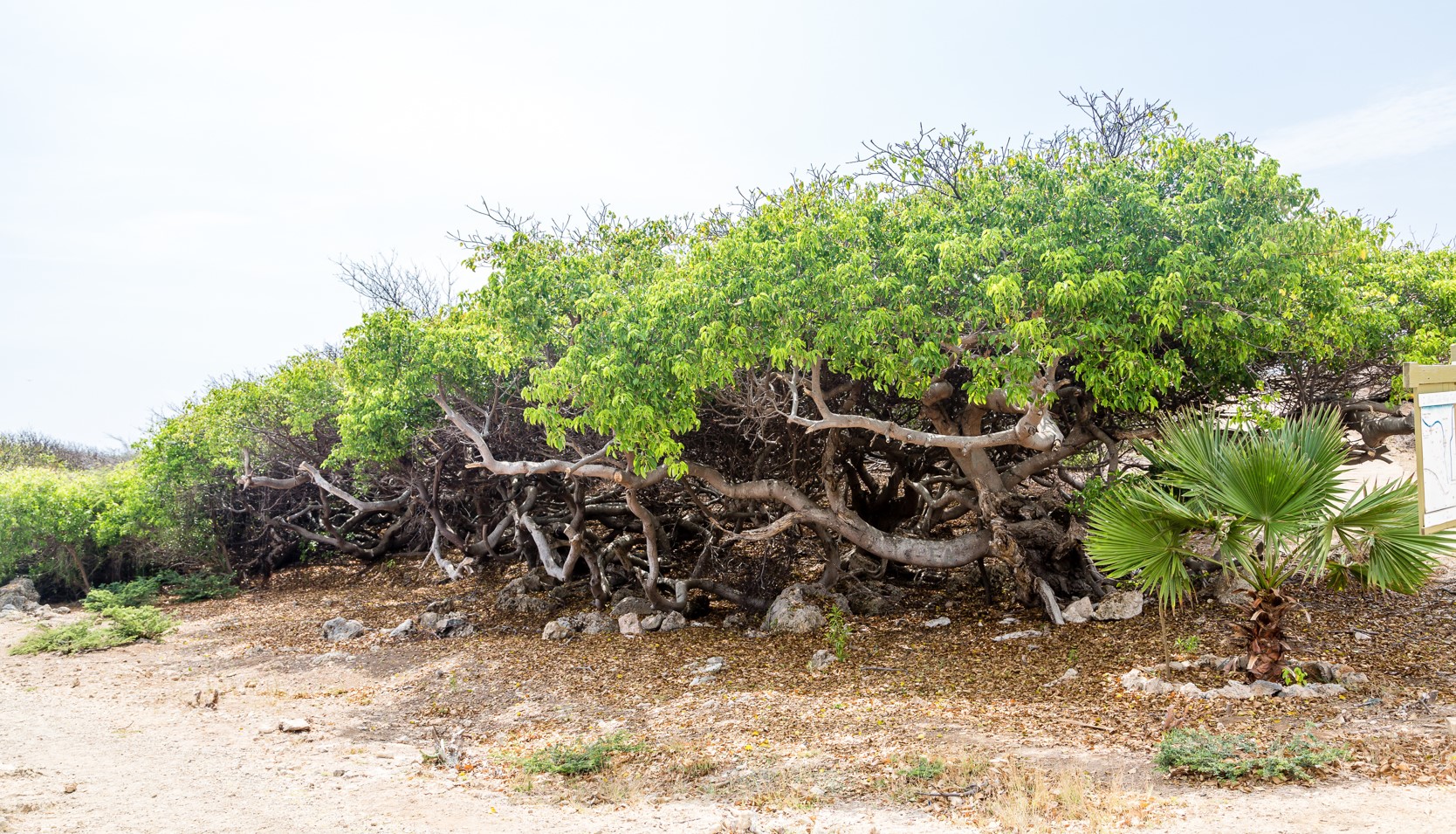
The manchineel tree also called the beach apple or Hippomane mancinella, produces small, round fruits that resemble apples, hence its nickname "beach apple." However, these fruits are extremely toxic and can be fatal if ingested. In fact, every part of the manchineel tree, including its sap and leaves, contains a milky white sap that is highly toxic and can cause severe skin irritation and blistering upon contact. The toxicity of the manchineel tree is due to the presence of various toxins, including phorbol and other skin irritants. Ingesting the fruit can lead to symptoms such as severe stomach pain, vomiting, and diarrhea. In some cases, ingestion of the fruit has been reported to be fatal. Due to its toxic nature, the manchineel tree is considered a hazard to humans and animals. In fact, it is advised to avoid standing under the tree during rain, as the water can wash off the toxic sap and cause skin burns. Burning the wood of the manchineel tree can also release toxic smoke that can cause eye and respiratory irritation.
In addition to its toxicity, the manchineel tree is also known for its dense, hard wood, which has been historically used by indigenous peoples for making tools and weapons. However, handling the wood requires caution to avoid exposure to the toxic sap. The manchineel tree is often found in coastal areas, mangroves, and beach dunes, where it provides important habitat for wildlife. Despite its toxicity, efforts are being made to conserve and protect the manchineel tree due to its ecological significance. In conclusion, the manchineel tree is a highly toxic plant species native to tropical regions of the Americas. Its toxic sap and fruits pose a significant hazard to humans and animals, and caution should be exercised when encountering this tree in its natural habitat.