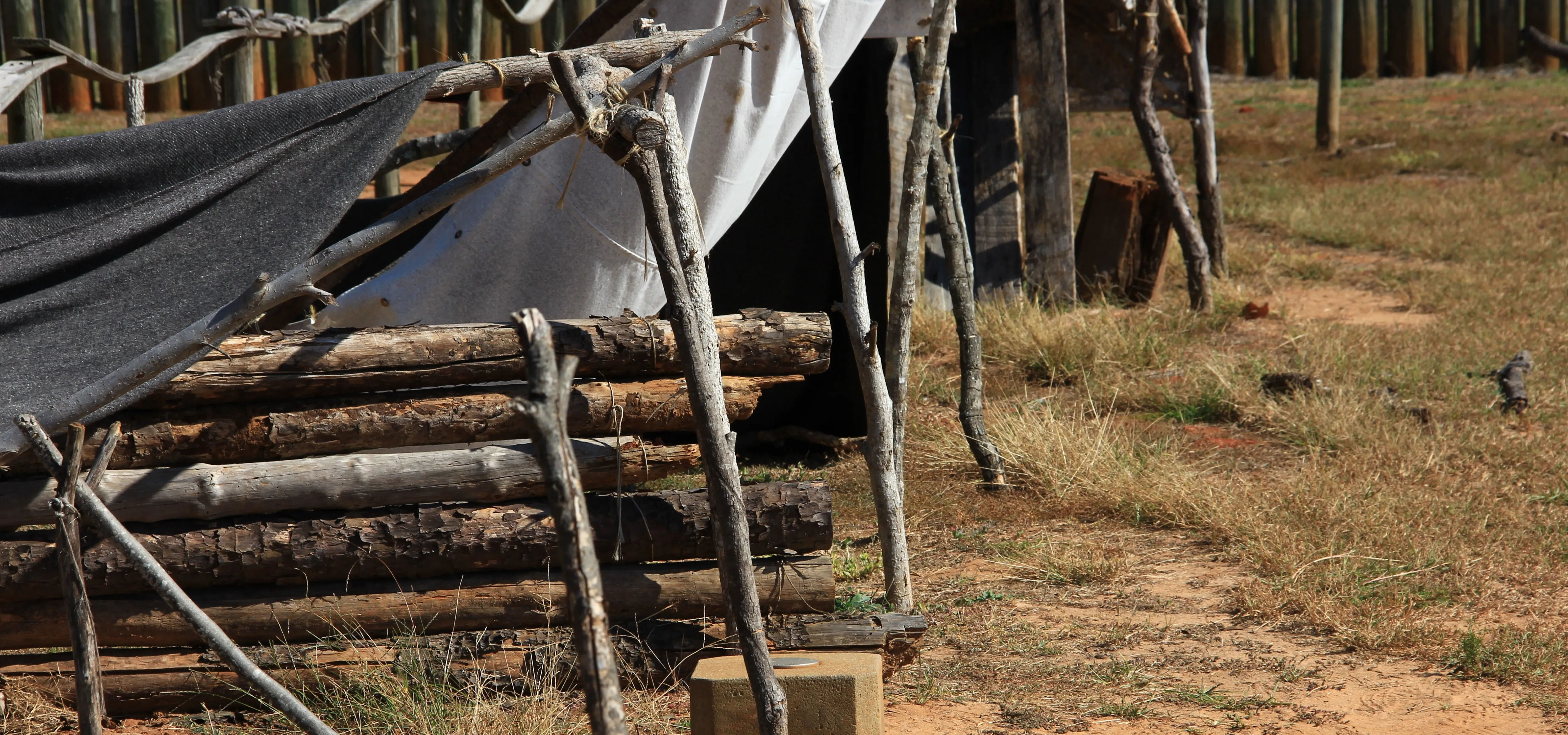
Providence Spring
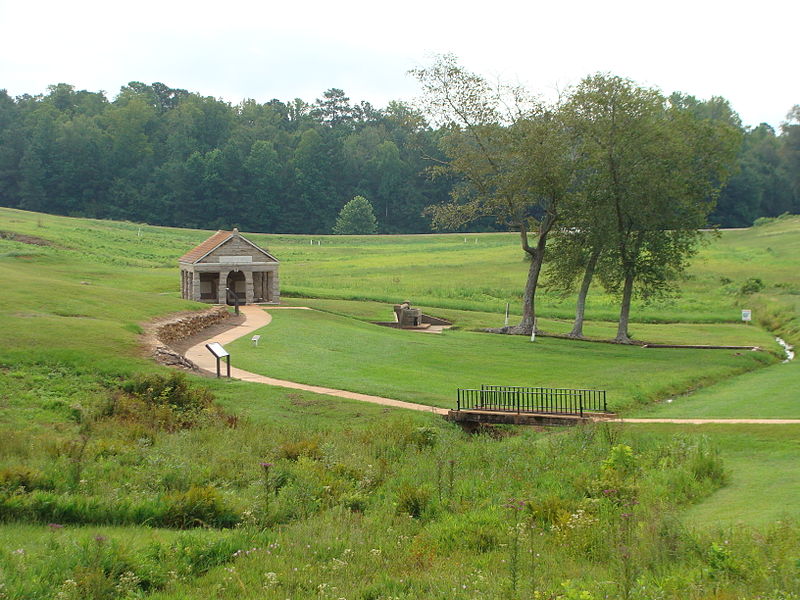
- 1. Location: Providence Spring is located within the Andersonville National Historic Site, which is situated in Macon County, Georgia. The site is approximately 10 miles northeast of Americus, Georgia.
- 2. Historical Significance: During the Civil War, Andersonville was the location of a Confederate prisoner-of-war camp known as Camp Sumter. Providence Spring played a vital role in providing water to the thousands of Union prisoners held at the camp.
- 3. Water Source: Providence Spring is a natural spring that emerges from the ground and forms a small stream. The spring provided a crucial water source for both the prisoners and the Confederate guards at Camp Sumter.
- 4. Importance of Water: Clean drinking water was scarce within the prison camp, and the prisoners faced numerous challenges related to poor sanitation and disease. Providence Spring offered a relatively reliable source of water, helping to alleviate some of the suffering experienced by the prisoners.
- 5. Prisoner Access: Initially, prisoners had limited access to Providence Spring due to its proximity to the Confederate stockade wall. However, over time, a small channel was dug from the stream into the camp, allowing prisoners better access to the water source.
- 6. Preservation: Today, Providence Spring is preserved within the Andersonville National Historic Site. Visitors can see the spring and learn about its historical significance through interpretive signage and displays.
- 7. Andersonville National Historic Site: In addition to Providence Spring, the Andersonville National Historic Site encompasses the former Camp Sumter site, where a museum, National Prisoner of War Museum, and National Cemetery are located. The site serves as a memorial to all American prisoners of war throughout history.
- 8. Visiting Providence Spring: Visitors can access Providence Spring by following designated trails within the Andersonville National Historic Site. The park offers guided tours, exhibits, and educational programs to provide visitors with a comprehensive understanding of the history and significance of the site.