Yakuza
- 1. Origins: The origins of the Yakuza can be traced back to the Edo period (1603-1868) in Japan. The Yakuza emerged as a group of gamblers and street merchants who formed mutual protection associations called "ninkyo dantai" to ensure their safety and settle disputes.
- 2. Structure: The Yakuza operates as a hierarchical organization with a strict code of conduct called "ninkyo," which emphasizes loyalty and respect. They are divided into clans or families known as "kumi" led by a boss called "oyabun." Each kumi is further divided into smaller groups called "kobun."
- 3. Criminal Activities: The Yakuza has been involved in a wide range of criminal activities, including gambling, loan sharking, racketeering, drug trafficking, human trafficking, extortion, prostitution, and stock market manipulation. They also maintain legitimate businesses such as construction companies and nightclubs, which they often use to launder money.
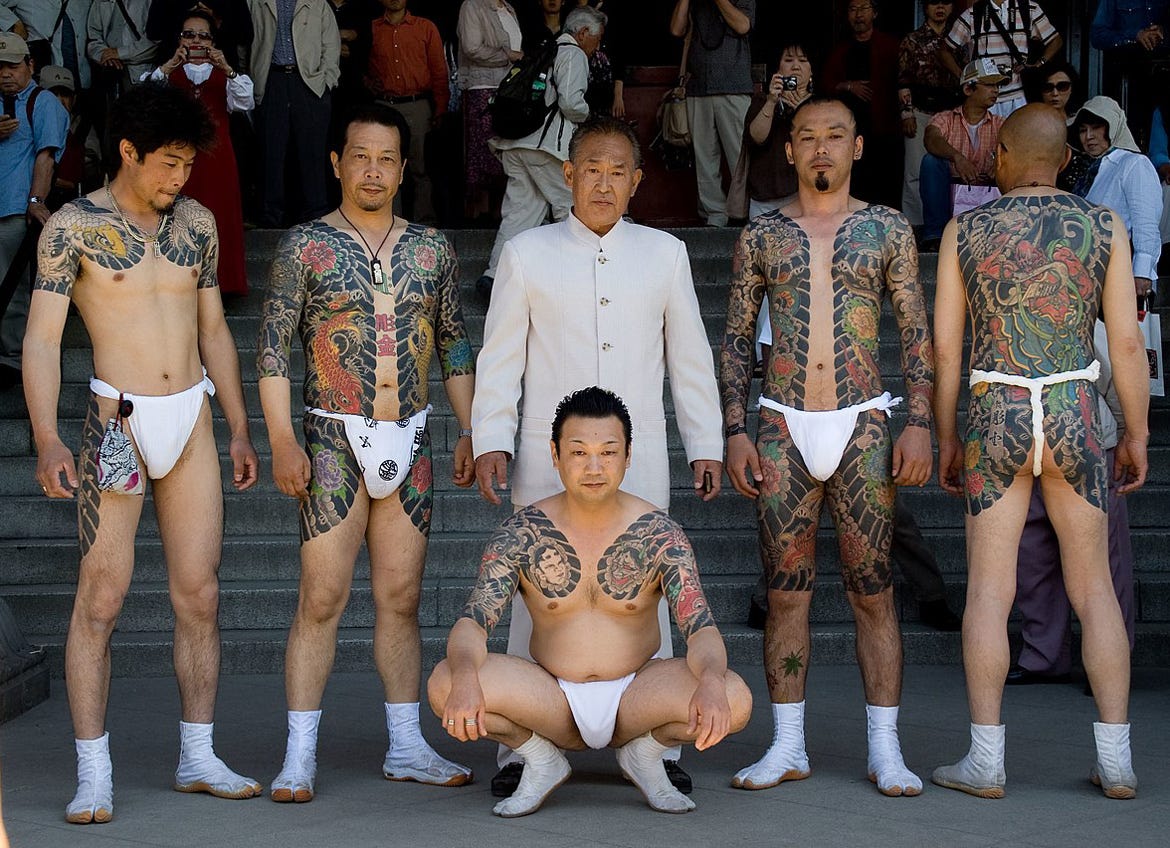
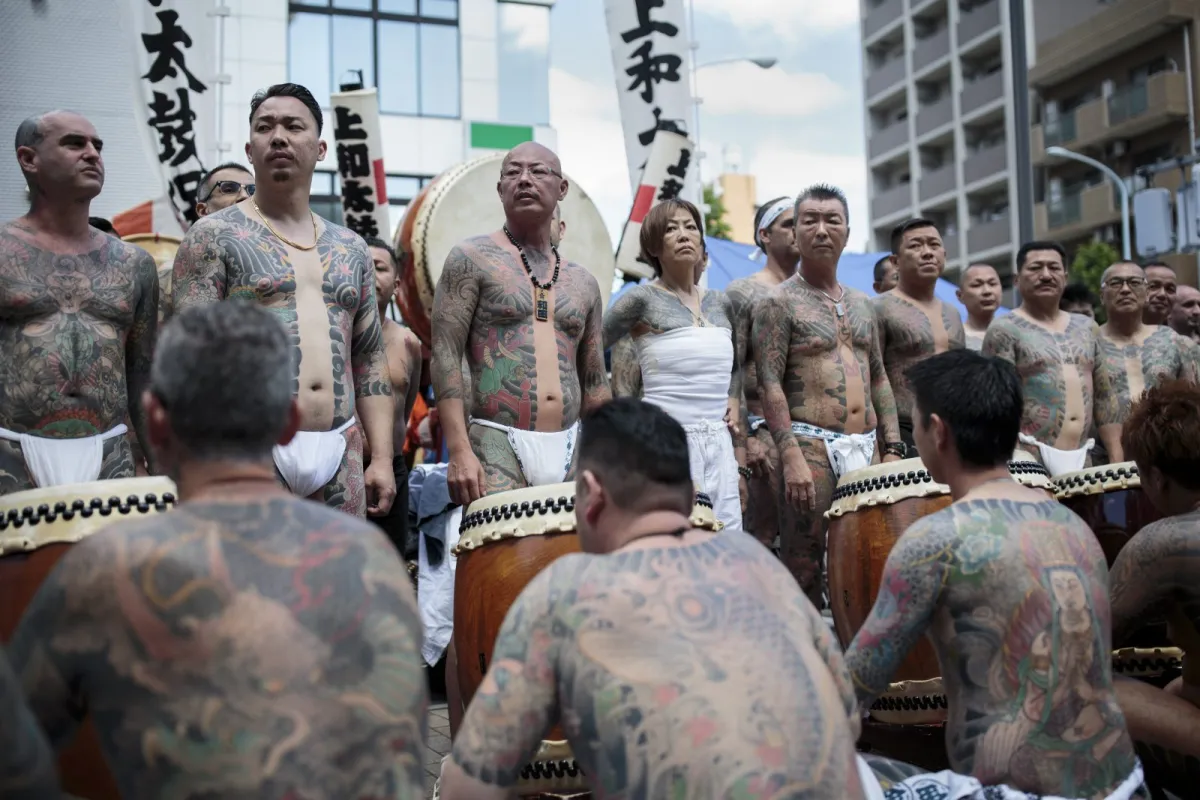
- 4. Tattoo Tradition: Yakuza members traditionally have extensive body tattoos, known as "irezumi," which often depict symbols associated with their clan or significant elements from Japanese folklore. These tattoos serve as a form of identification and symbolize their commitment to the Yakuza way of life.
- 5. Codes and Rituals: The Yakuza operates based on a strict set of codes and rituals. These include the "yubitsume," a ritual finger cutting to atone for mistakes, and the "sakazuki," a ritual sake toast to seal a deal or show respect.
- 6. Relationships with the Police and Government: The Yakuza has a complex relationship with the Japanese police and government. While it is officially illegal, the Yakuza has often worked closely with the police and government, providing assistance during disasters and maintaining some level of balance and order in certain areas.
- 7. Internal Discipline: The Yakuza maintains discipline within its ranks through a system known as "oyabun-kobun," where obedience and hierarchy are crucial. Violators of the Yakuza codes can face severe punishment, including expulsion, physical harm, or even death.
- 8. Numbers and Influence: The exact number of Yakuza members is uncertain, but estimates range from 30,000 to 50,000 active members. They are primarily concentrated in major cities like Tokyo, Osaka, and Kobe. The Yakuza's influence extends beyond Japan, with some groups engaging in criminal activities abroad.
- 9. Crackdowns and Legal Measures: Over the years, the Japanese government has implemented various measures to crackdown on the Yakuza, including passing anti-organized crime laws and intensifying law enforcement efforts. These measures have led to a decline in the Yakuza's power and influence, though they continue to adapt and evolve to survive.