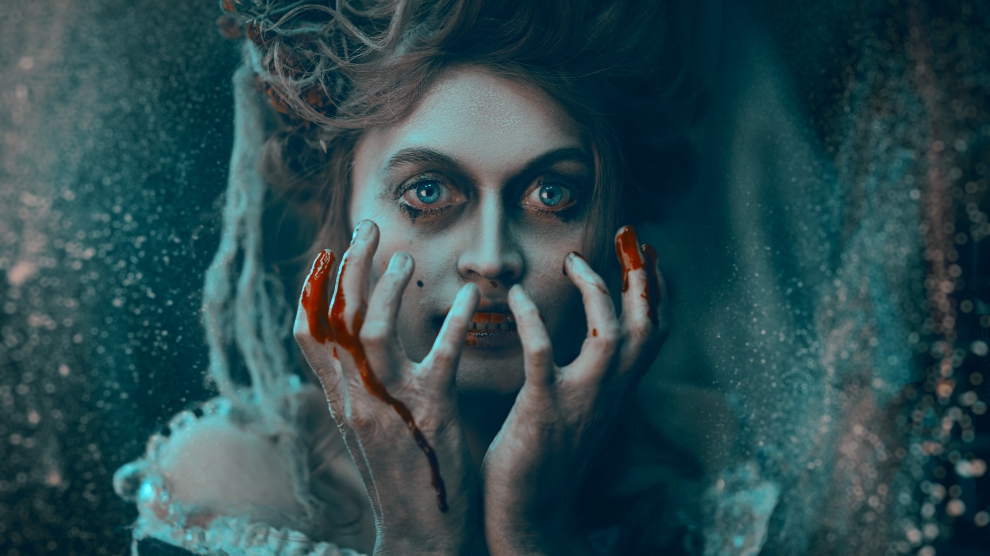
True Or Fabble?
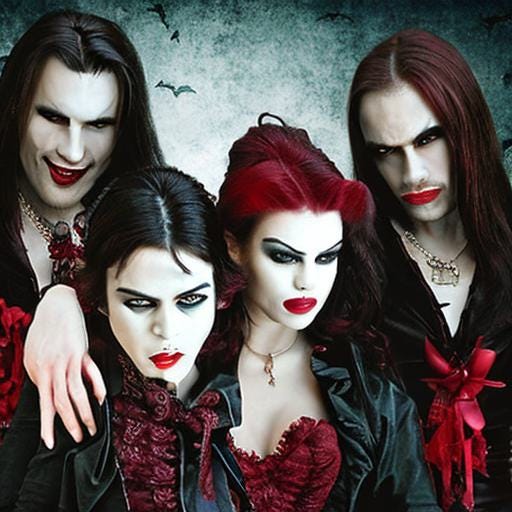
- 1. Origins: - The concept of vampires can be traced back to ancient civilizations, with various cultures having their own versions of blood-sucking creatures or undead beings. - One of the earliest recorded accounts of vampire-like creatures comes from Mesopotamia, where the demon-like creature Lilitu was believed to prey on humans.
- 2. European Folklore: - The modern depiction of vampires is heavily influenced by Eastern European folklore, particularly from regions like Romania and Hungary. - In Eastern European folklore, vampires were often described as undead beings who rose from the grave to feed on the blood of the living.
- 3. Vlad the Impaler: - The historical figure Vlad III, also known as Vlad the Impaler, is often associated with the inspiration for the fictional vampire Count Dracula created by Bram Stoker. - Vlad III was a 15th-century ruler of Wallachia (modern-day Romania) known for his brutal methods of punishing his enemies, including impalement.
- 4. Literary Influence: - The most famous depiction of vampires in literature is found in Bram Stoker's novel "Dracula", published in 1897. - Stoker's Count Dracula character, inspired by Eastern European folklore and Vlad the Impaler, has become the quintessential vampire figure in popular culture.
- 5. Characteristics: - Vampires are typically depicted as immortal beings who sustain themselves by drinking the blood of the living. - They are often associated with supernatural powers such as superhuman strength, speed, and the ability to shape-shift or hypnotize their victims.
- 6. Pop Culture: - Vampires have been a popular subject in literature, film, and television for decades, with numerous adaptations and interpretations of the vampire myth. - From classic films like "Nosferatu" to modern TV series like "True Blood" and "Twilight", vampires continue to captivate audiences around the world.
- 7. Modern Interpretations: - In recent years, there has been a shift in how vampires are portrayed in popular culture, with more nuanced and complex depictions that explore themes of romance, morality, and identity. - Authors and filmmakers have reimagined vampires as sympathetic or conflicted characters, challenging traditional stereotypes and adding depth to their stories.