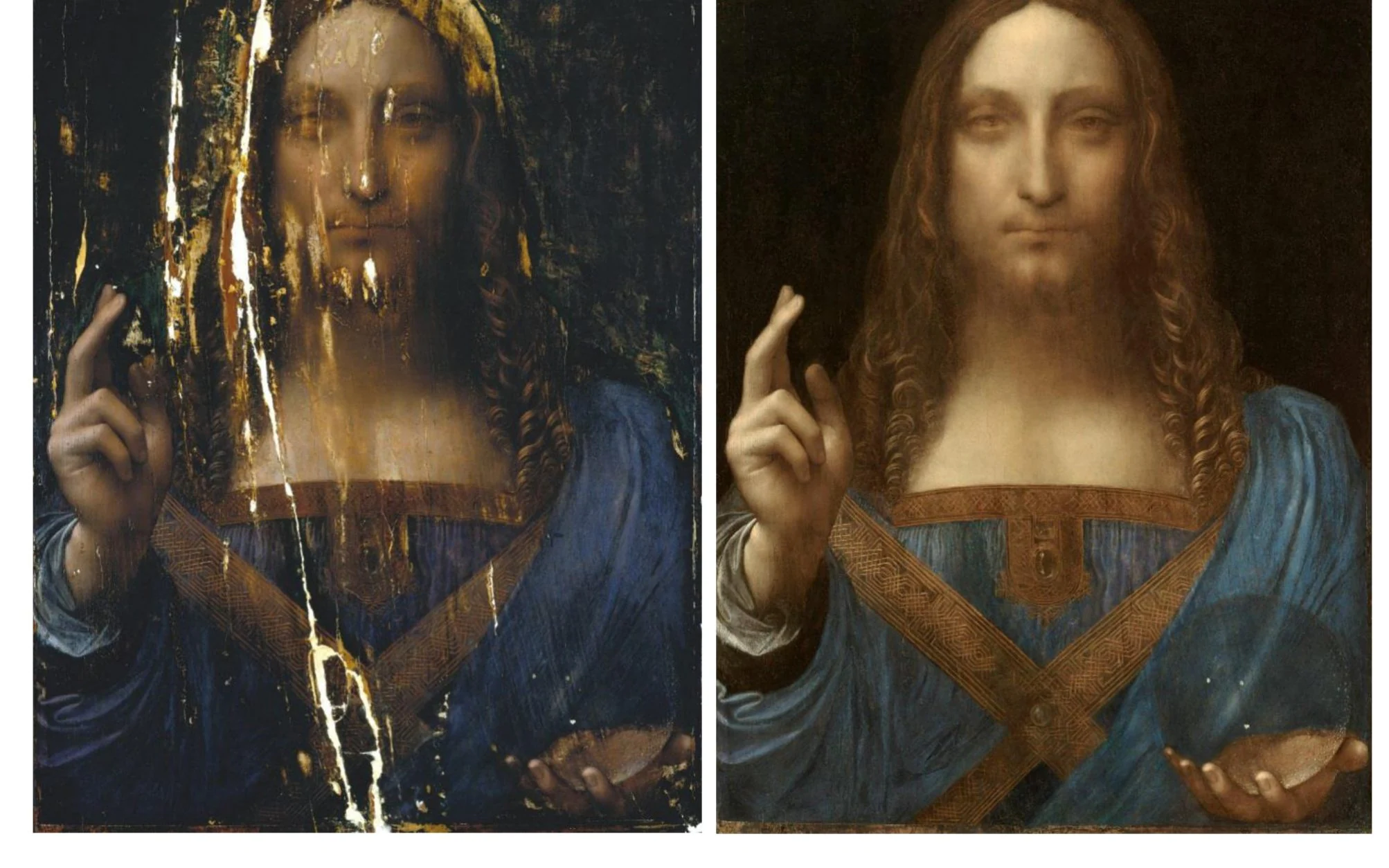
Salvator Mundi
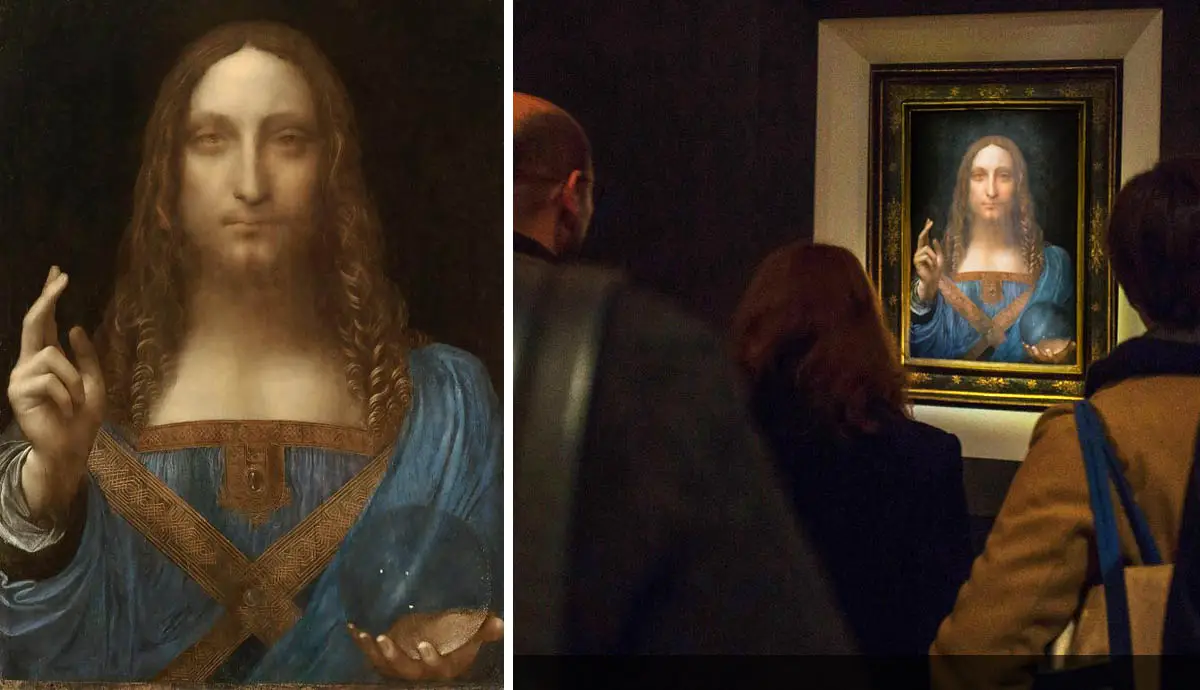
- 1. Creation: - "Salvator Mundi" is a painting of Jesus Christ holding a crystal orb, symbolizing his role as the savior of the world. - It is believed to have been painted by Leonardo da Vinci around 1500, during the High Renaissance period in Italy.
- 2. Discovery: - The painting was lost for centuries and was rediscovered in 2005 when it was purchased at an estate sale in the United States for less than $10,000. - After extensive research and restoration, art experts confirmed its attribution to Leonardo da Vinci.
- 3. Auction: - In November 2017, "Salvator Mundi" was auctioned at Christie's in New York. - The painting fetched a record-breaking price of $450.3 million, making it the most expensive artwork ever sold at auction.
- 4. Provenance: - The provenance of "Salvator Mundi" has been a subject of debate and scrutiny among art historians. - Some experts question the painting's authenticity and its attribution to Leonardo da Vinci, while others believe it to be a genuine work by the master.
- 5. Controversy: - The high price paid for "Salvator Mundi" has sparked controversy and speculation about the motivations behind the purchase. - Some critics argue that the painting's value may have been inflated due to marketing and branding strategies rather than its artistic merit.
- 6. Importance: - "Salvator Mundi" is considered a rare and significant work by Leonardo da Vinci, as only a few of his paintings have survived to the present day. - The painting's exquisite details, masterful technique, and spiritual symbolism make it a captivating and enigmatic masterpiece.