Felicette
- 1. Mission: On October 18, 1963, Felicette was launched aboard a French Véronique AGI sounding rocket from the Hammaguir base in the Sahara Desert. The mission aimed to study the effects of space travel on living organisms.
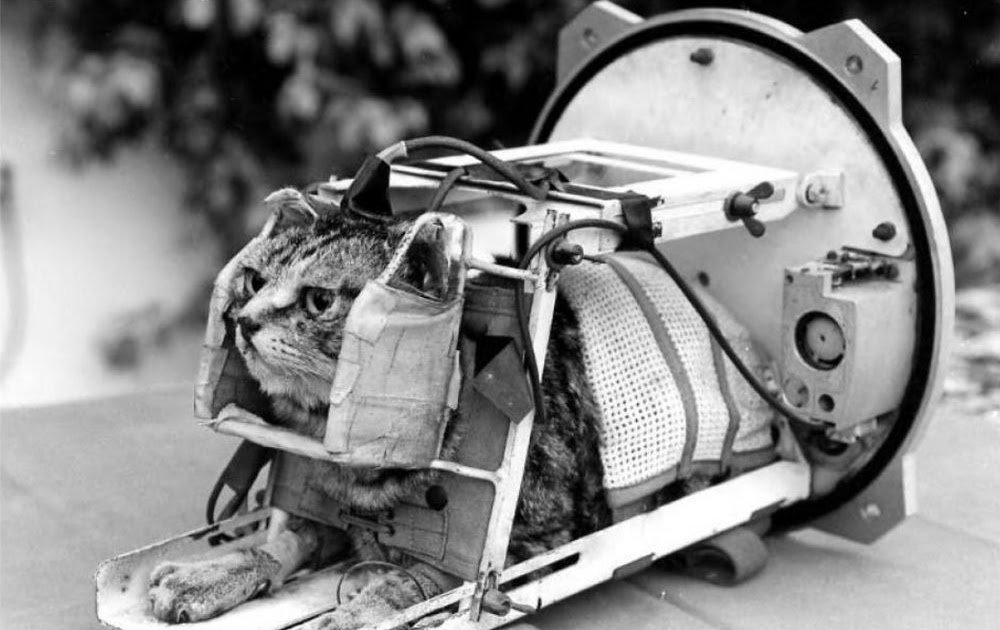
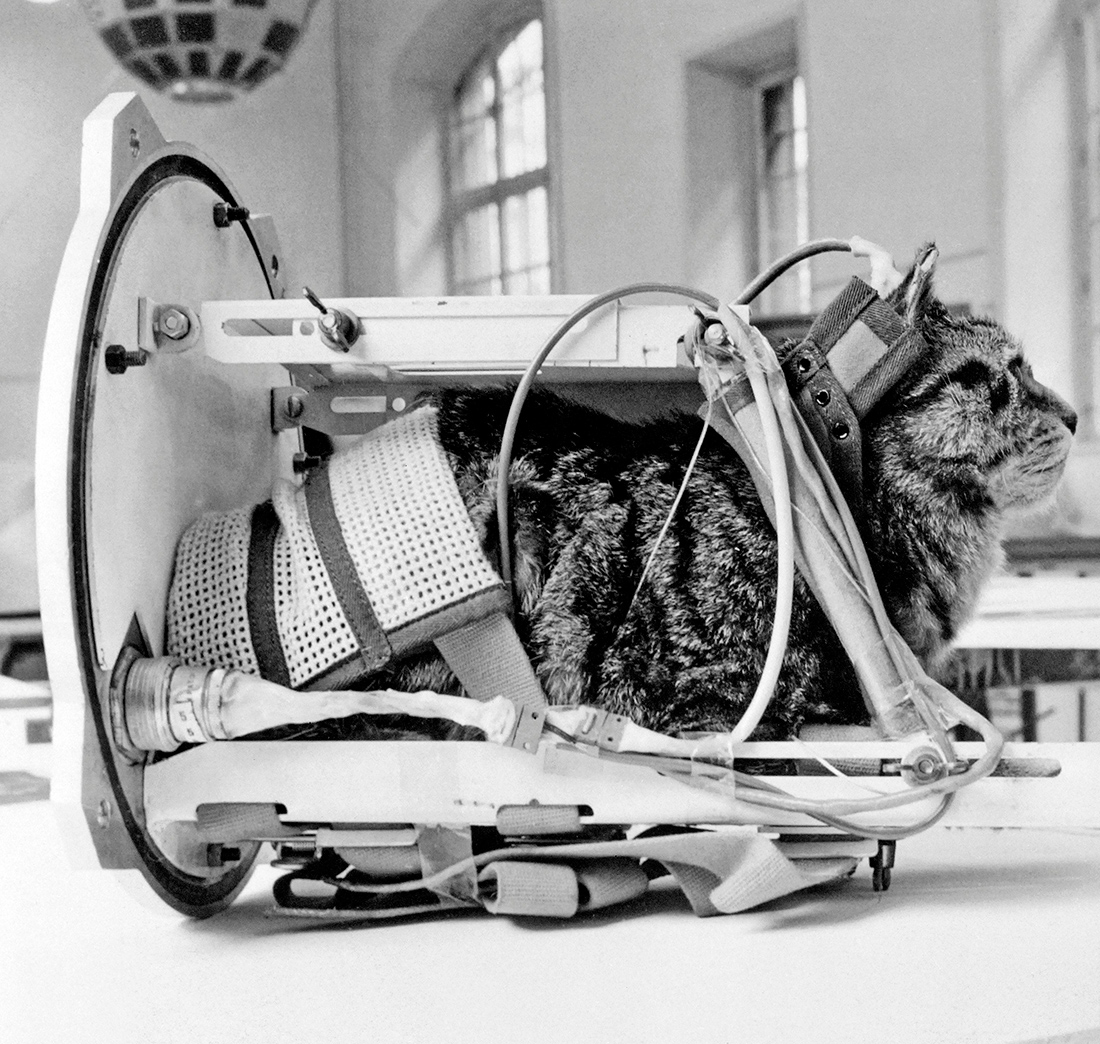
- 2. Training: Prior to the mission, Felicette underwent extensive training. She was selected from a group of 14 cats based on her ability to remain calm in stressful situations. Her training involved being confined in a small capsule and subjected to various tests.
- 3. Flight: Felicette's flight lasted for approximately 15 minutes. During this time, she experienced weightlessness and reached an altitude of about 157 kilometers (97 miles) above Earth's surface.
- 4. Capsule recovery: After the rocket's descent, Felicette's capsule successfully parachuted back to Earth. She was recovered alive by French scientists and brought back safely.
- 5. Post-mission: Following her historic journey, Felicette became a celebrity. She was photographed with French scientists and her story gained international attention. Sadly, she did not live long after her mission and passed away a few months later due to unknown causes.
- 6. Legacy: Despite her short-lived fame, Felicette's mission contributed valuable data to the understanding of the effects of space travel on living organisms. Her journey paved the way for future animal astronauts and human space exploration. Felicette's story serves as a reminder of the significant role animals have played in space exploration and the advancements made in understanding space travel's impact on living beings.