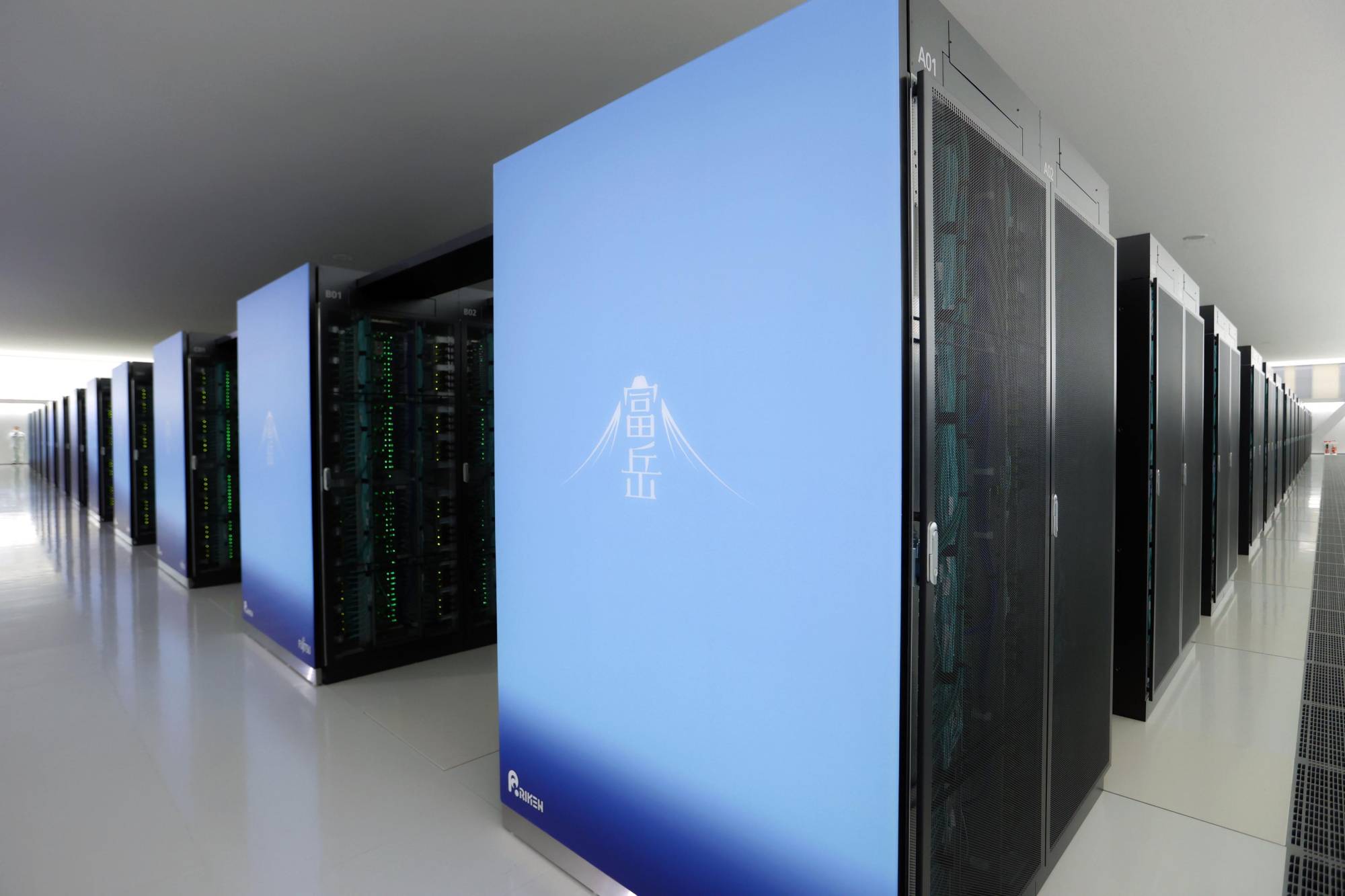
The Fugaku
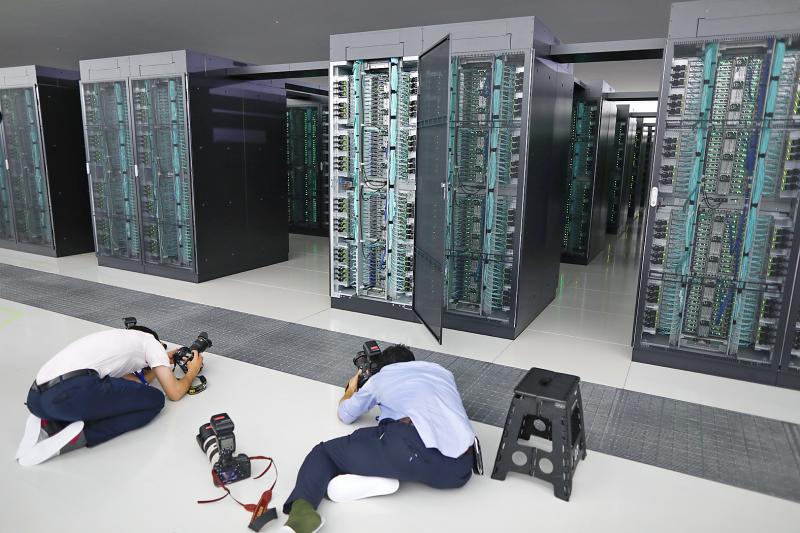
- 1. Performance: Fugaku achieved a performance of 442 petaflops (quadrillions of calculations per second) on the High-Performance Linpack (HPL) benchmark, which is used to measure supercomputer performance.
- 2. Architecture: Fugaku utilizes an Arm-based architecture, specifically the Fujitsu A64FX processor. It consists of 48 cores per chip, with a total of 7,630,848 cores across its system.
- 3. Applications: The supercomputer is designed for a wide range of applications, including weather forecasting, climate modeling, drug discovery, and simulations related to materials science and engineering.
- 4. Power consumption: Fugaku is also energy-efficient, with a power consumption of around 28 megawatts.
- 5. Ranking: Since June 2020, Fugaku has held the top position on the TOP500 list, which ranks the world's most powerful supercomputers.
6. COVID-19 research: Fugaku has been extensively used for COVID-19 research, including simulations to understand the spread of the virus and evaluate potential treatments. 7. Development cost: The development of Fugaku began in 2014 as part of a project led by RIKEN and Fujitsu. The Japanese government invested approximately $1 billion in its development. It's worth noting that the field of supercomputing is constantly evolving, and new machines may surpass Fugaku's performance in the future.