
Randy Gardner
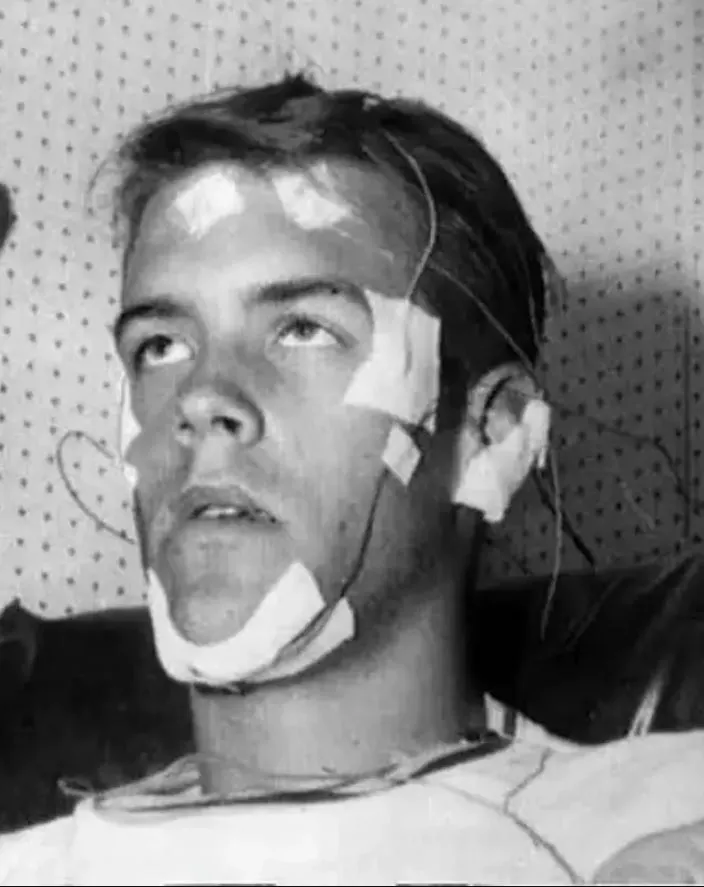
- 1. Sleep Deprivation Record: In 1964, at the age of 17, Randy Gardner stayed awake for a total of 264.4 hours, which is approximately 11 days and 25 minutes. This feat was achieved as part of a high school science fair project.
- 2. Motivation: Gardner's motivation for attempting this extreme sleep deprivation experiment was to study the effects of prolonged sleep deprivation on the human body and mind. He wanted to contribute to scientific research on sleep and its impact on cognitive functions.
- 3. Monitoring: Throughout the experiment, Randy Gardner was closely monitored by medical professionals, including Dr. William C. Dement, a sleep researcher. They observed his physical and mental condition, documenting changes in his behavior, cognitive abilities, and overall health.
- 4. Effects: During the period of sleep deprivation, Gardner experienced various symptoms, including mood swings, hallucinations, memory lapses, and impaired cognitive function. Despite these challenges, he managed to stay awake for over 11 days.
- 5. Recovery: After breaking the world record for sleep deprivation, Randy Gardner slept for a total of 14 hours and 40 minutes to recover from the experiment. He reported feeling disoriented and groggy upon waking but gradually returned to normal functioning.
- 6. Legacy: Randy Gardner's record-breaking achievement in sleep deprivation has become a notable milestone in the field of sleep research. His experiment provided valuable insights into the effects of prolonged sleep loss on the human body and brain.
- 7. Media Attention: Gardner's feat attracted significant media attention at the time, with newspapers, magazines, and television programs covering his story. The experiment sparked public interest in the science of sleep and the importance of healthy sleep habits.