Operation Glass Wind
- 1. Background: Saigon, now known as Ho Chi Minh City, was the capital of South Vietnam during the Vietnam War. The city had been under increasing pressure from the North Vietnamese Army, and by April 1975, it was evident that the South Vietnamese government and military were unable to hold off the advancing communist forces.
- 2. Operation Frequent Wind: Operation Frequent Wind was the codename given to the evacuation of American civilians and "at-risk" Vietnamese citizens from Saigon. It was the largest helicopter evacuation in history.
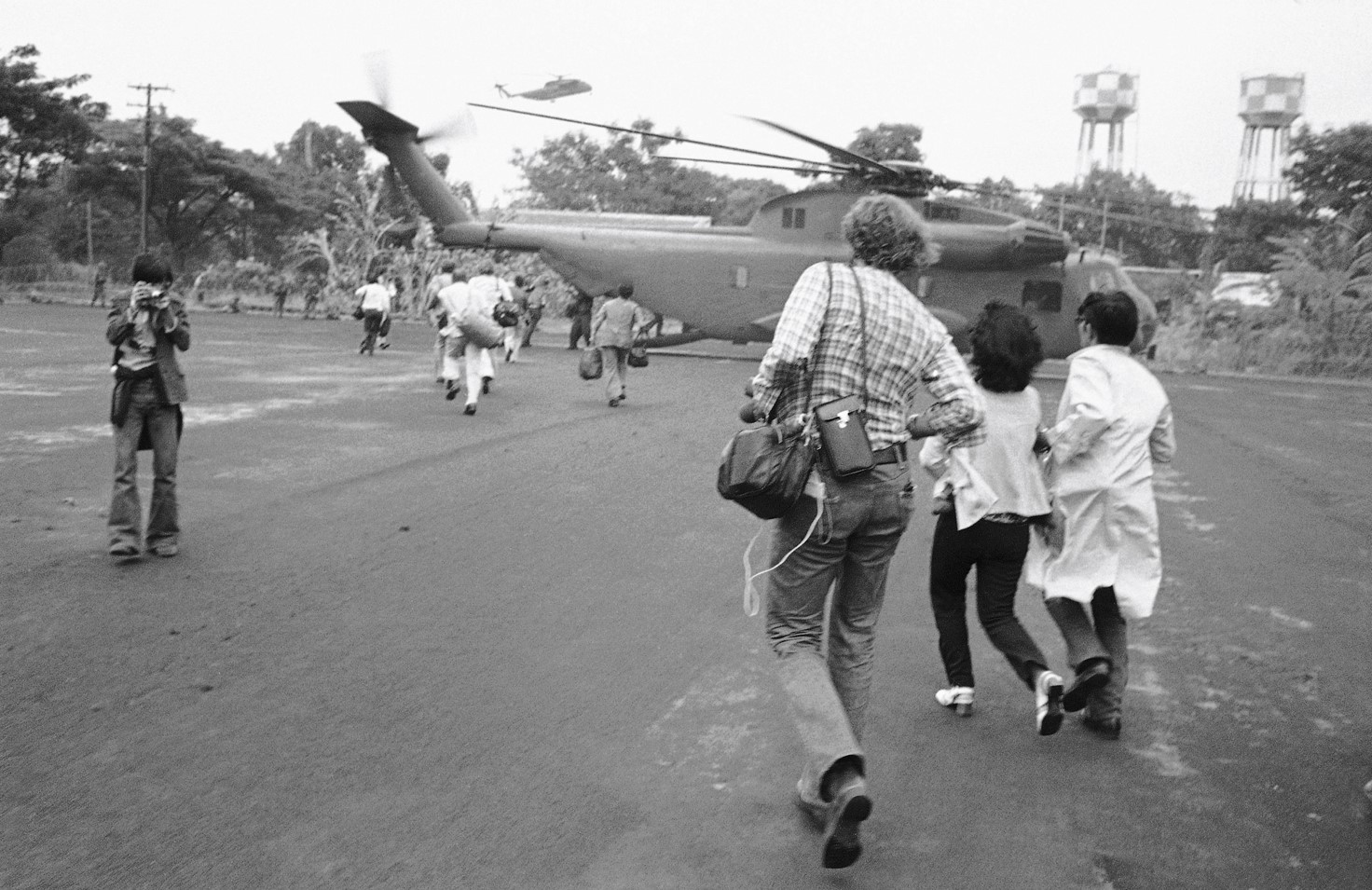
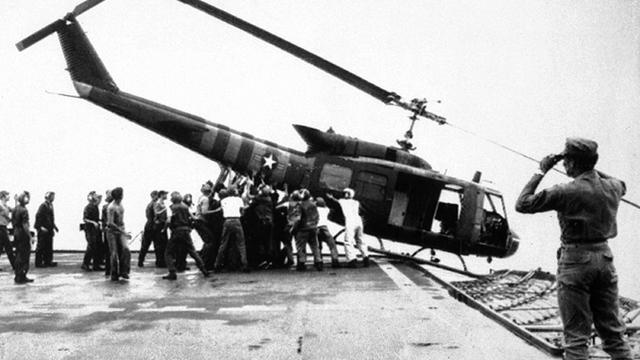
- 3. Evacuation Plan: The evacuation plan was designed to remove personnel from the U.S. Embassy in Saigon, as well as other American citizens and Vietnamese associates, by flying them out of the city via helicopters to the U.S. Navy ships positioned offshore in the South China Sea.
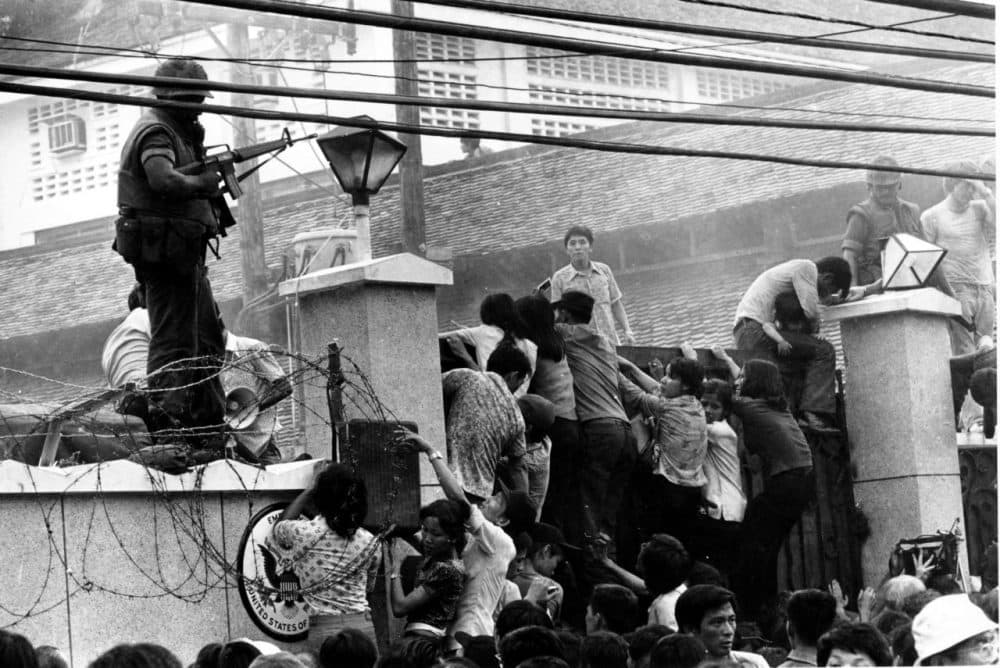
- 4. Chaos and Panic: The evacuation was met with chaos and panic as thousands of people flocked to the U.S. Embassy and other designated evacuation points, hoping to secure a place on the departing helicopters. The scenes of desperation, overcrowding, and confusion were widely televised and have become iconic images of the Vietnam War.
- 5. Military Involvement: The evacuation was led by the U.S. military, primarily the U.S. Army and Marine Corps helicopters, with support from the U.S. Navy. Many South Vietnamese pilots and aircraft were also involved in the operation.
- 6. Rooftop Evacuations: As the helicopters reached capacity and the situation on the ground deteriorated, the decision was made to evacuate people from rooftops. Evacuees threw whatever belongings they could onto the helicopters and boarded in a chaotic and challenging environment.
- 7. Evacuation Statistics: Over the course of Operation Frequent Wind, approximately 7,000 American civilians and their dependents, as well as an estimated 130,000 at-risk Vietnamese citizens, were evacuated from Saigon to U.S. ships waiting off the coast.
- 8. Fall of Saigon: The successful evacuation marked the end of the Vietnam War and the fall of Saigon to the North Vietnamese forces. On April 30, 1975, North Vietnamese tanks crashed through the gates of the Presidential Palace in Saigon, symbolizing the complete takeover of South Vietnam.
- 9. Aftermath: Following the evacuation, millions of South Vietnamese citizens faced an uncertain future as the communist regime took control. Many who had worked closely with the American forces faced persecution, imprisonment, or re-education camps.