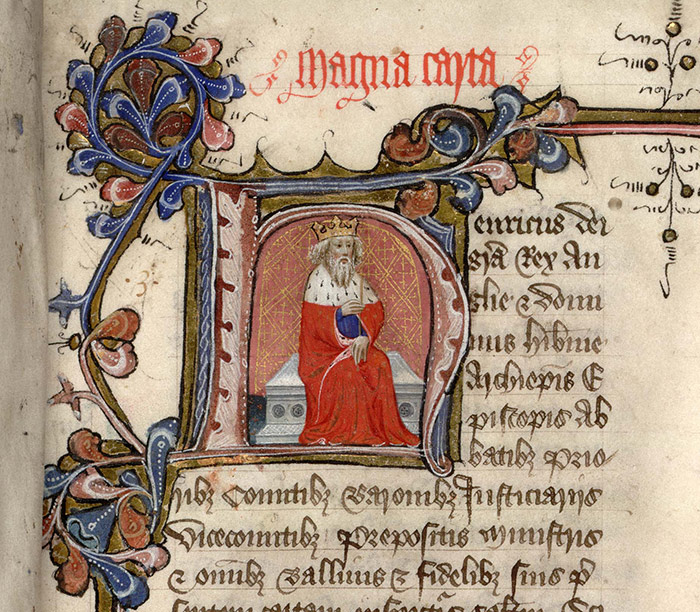
Magna Carta
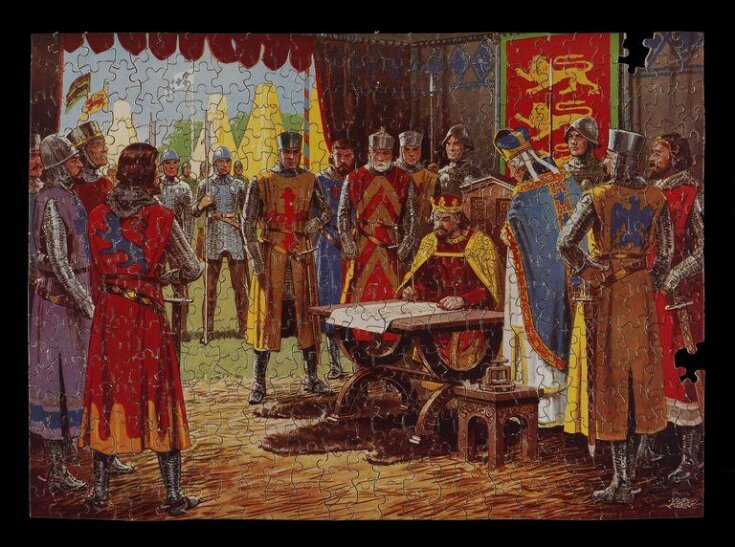
- 1. Origins and Context: The Magna Carta was originally issued in 1215 during the reign of King John of England. It was a result of tensions between the barons (nobles) and King John over issues of taxation, feudal rights, and the abuse of royal power.
- 2. Content: The Magna Carta consisted of a series of written promises and agreements between the king and his barons. It aimed to address grievances and establish certain rights and principles that would govern the relationship between the monarch and his subjects.
- 3. Key Principles: Some of the key principles outlined in the Magna Carta include the protection of the church's rights, limitations on the king's power to levy taxes without consent, the right to a fair trial, and the guarantee of due process under the law. It also introduced the concept that the king was subject to the law and not above it.
- 4. Legacy: The Magna Carta is considered a foundational document in the development of constitutional law and individual rights. It set a precedent for the rule of law, the protection of liberties, and the idea that even the monarch is accountable to legal standards.
- 5. Influence: The principles of the Magna Carta have had a lasting impact on legal systems around the world. It served as a model for subsequent documents such as the U.S. Constitution, the Bill of Rights, and the Universal Declaration of Human Rights.
- 6. Significance: The Magna Carta is often seen as a symbol of the struggle for liberty and justice against tyranny. It has been cited throughout history as a representation of the rights of individuals against arbitrary rule and unjust governance.
- 7. Multiple Versions: Over the centuries, the Magna Carta underwent revisions and reissues, with the original document from 1215 being reissued several times during the reigns of subsequent English monarchs. The 1215 version is the most famous and significant iteration of the Magna Carta.
- 8. Surviving Copies: Four original copies of the 1215 Magna Carta are known to exist today, housed in various institutions such as the British Library, Lincoln Cathedral, and Salisbury Cathedral. These copies are considered priceless treasures of legal and constitutional history.