William Miller
- 1. William Miller: William Miller, a Baptist preacher, became a central figure in the Adventist movement during the early 19th century. He proclaimed that the Second Coming of Jesus Christ would take place between March 21, 1843, and March 21, 1844, based on his interpretation of biblical prophecies and calculations.
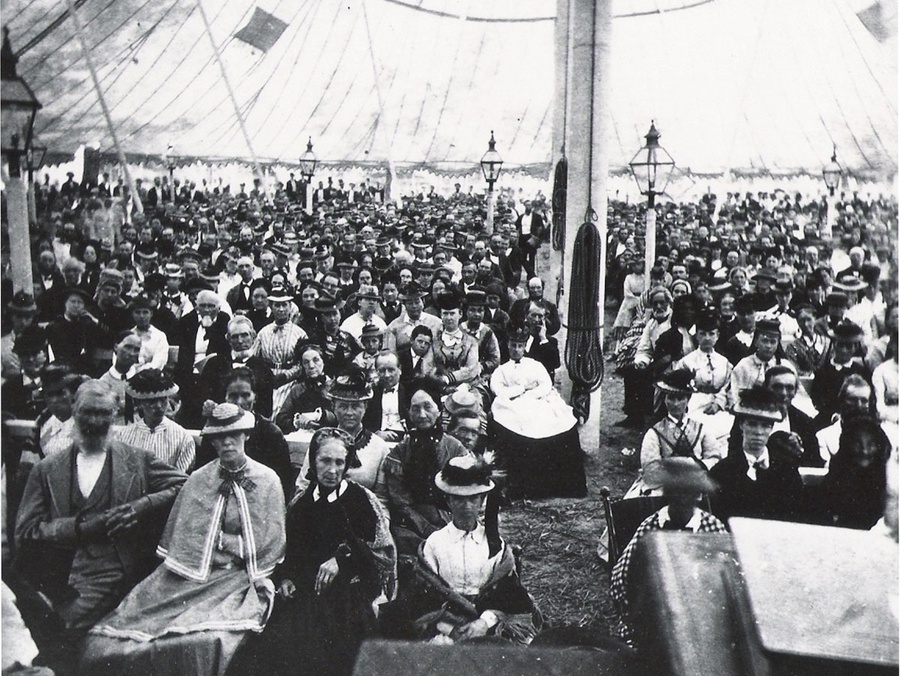
- 2. The Millerite Movement: Miller's beliefs gained significant traction and attracted thousands of followers. The Millerite movement, as it came to be known, grew rapidly and drew adherents from various Christian denominations.
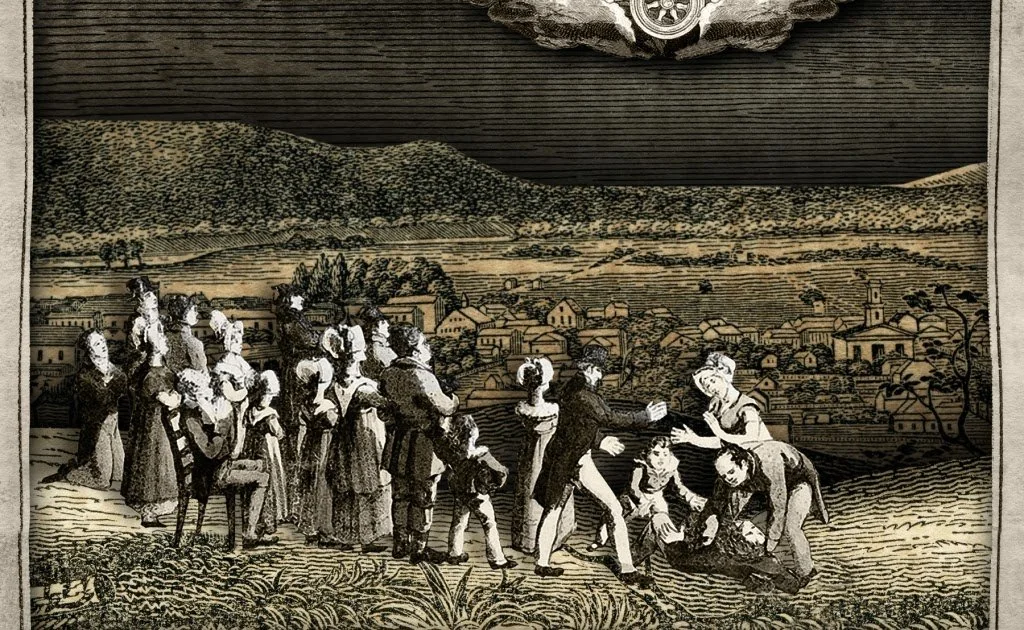
- 3. The Great Disappointment: As the anticipated date of Jesus' Second Coming drew near, the Millerites eagerly awaited the event with fervor and anticipation. However, when March 21, 1844, passed without any visible sign of Jesus' return, many followers were left deeply disappointed.
- 4. October 22, 1844: After the initial disappointment, a new date was set for Jesus' return - October 22, 1844. This date became known as the "Day of Atonement" or the "Day of Judgment." The Millerites believed that on this day, the Earth would be cleansed by fire, and the righteous would be taken to heaven.
- 5. The "Great Disappointment": October 22, 1844, arrived, but again, the anticipated event did not occur. The failure of Jesus' Second Coming to materialize on this date led to immense disillusionment and what came to be known as the "Great Disappointment."
- 6. Response and aftermath: The disappointment caused a schism within the Millerite movement. While some abandoned their beliefs, others sought alternative explanations and interpretations to retain faith. One such group eventually evolved into the Seventh-day Adventist Church under the leadership of Ellen G. White.
- 7. Impact on Adventist Movements: The Great Disappointment posed a challenge for the Adventist movements in the 19th century. It forced believers to reassess their interpretations of biblical prophecies and the nature of Christ's return. Over time, new explanations and perspectives emerged within different Adventist groups.
- 8. Enduring Legacy: The Great Disappointment remains an important historical event within American religious history. It highlights the fervent atmosphere of religious revivalism in the mid-19th century and the challenges faced by those who interpreted biblical prophecies in a literal manner.