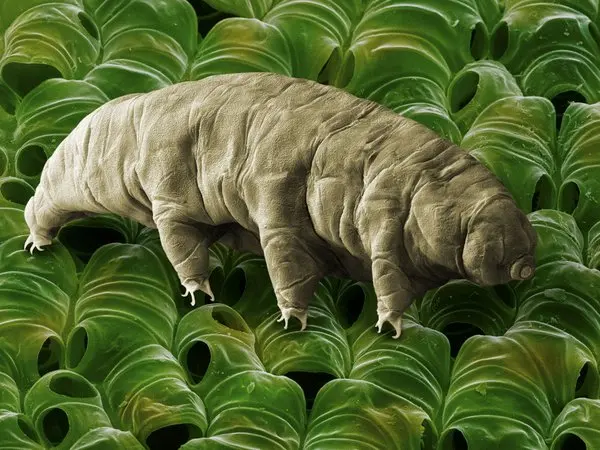
Tardigrades
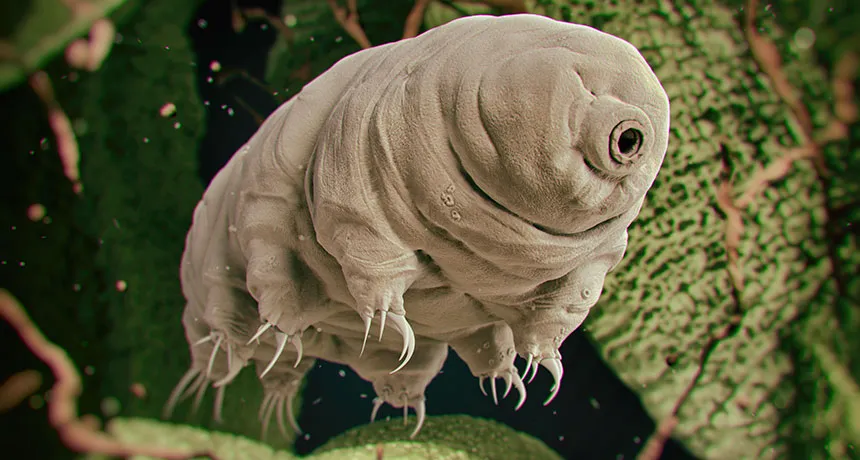
- 1. Microscopic Size: Tardigrades are among the most resilient creatures on Earth despite being incredibly small. They typically range in size from 0.1 to 1.5 millimeters, making them visible only under a microscope.
- 2. Habitat: Tardigrades inhabit a wide range of environments across the globe, including damp soil, mosses, lichens, leaf litter, and freshwater habitats. They can even be found in the Antarctic, deep-sea sediments, mountaintops, and hot springs.
- 3. Anatomy: Tardigrades have a bilaterally symmetrical body with four pairs of clawed, stubby legs. They possess a chitinous exoskeleton that protects them from desiccation or extreme temperatures. Their segmented bodies contain a well-developed digestive system, a nervous system, reproductive organs, and a pair of simple eyes.
- 4. Cryptobiosis: One of the most fascinating characteristics of tardigrades is their ability to enter a dormant state called cryptobiosis. When faced with harsh environmental conditions like extreme temperatures, dehydration, or lack of nutrients, tardigrades can suspend their metabolic processes and survive in a near-death state. This allows them to withstand extreme conditions that would kill most other organisms.
- 5. Extreme Resistance: Tardigrades are renowned for their ability to tolerate various extreme conditions. They can endure temperatures ranging from -272°C (-458°F) to 150°C (302°F), intense pressure, radiation levels that are lethal to most organisms, and even the vacuum of space. Some tardigrades have been successfully revived after being exposed to such extreme conditions for several years.
- 6. Reproduction: Tardigrades reproduce sexually, with separate males and females. They lay eggs that can be internally fertilized or externally fertilized, depending on the species. They are also known for their ability to reproduce asexually through parthenogenesis, allowing females to produce offspring without fertilization.
- 7. Food and Diet: Tardigrades are primarily detritivores, feeding on plant and animal remains, algae, bacteria, and other microscopic organisms. They use their stylet mouthparts to pierce and suck out the contents of their food.
- 8. Diversity: There are around 1,300 described species of tardigrades. They exhibit great morphological and physiological diversity, allowing them to occupy various ecological niches around the world.