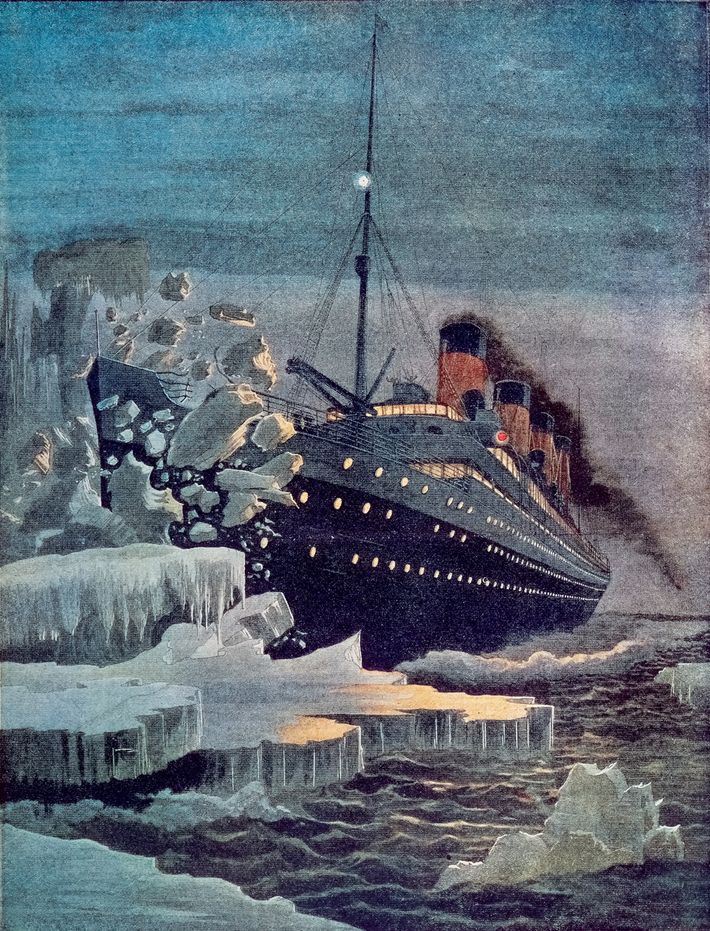
The Wreck Of The Titanic
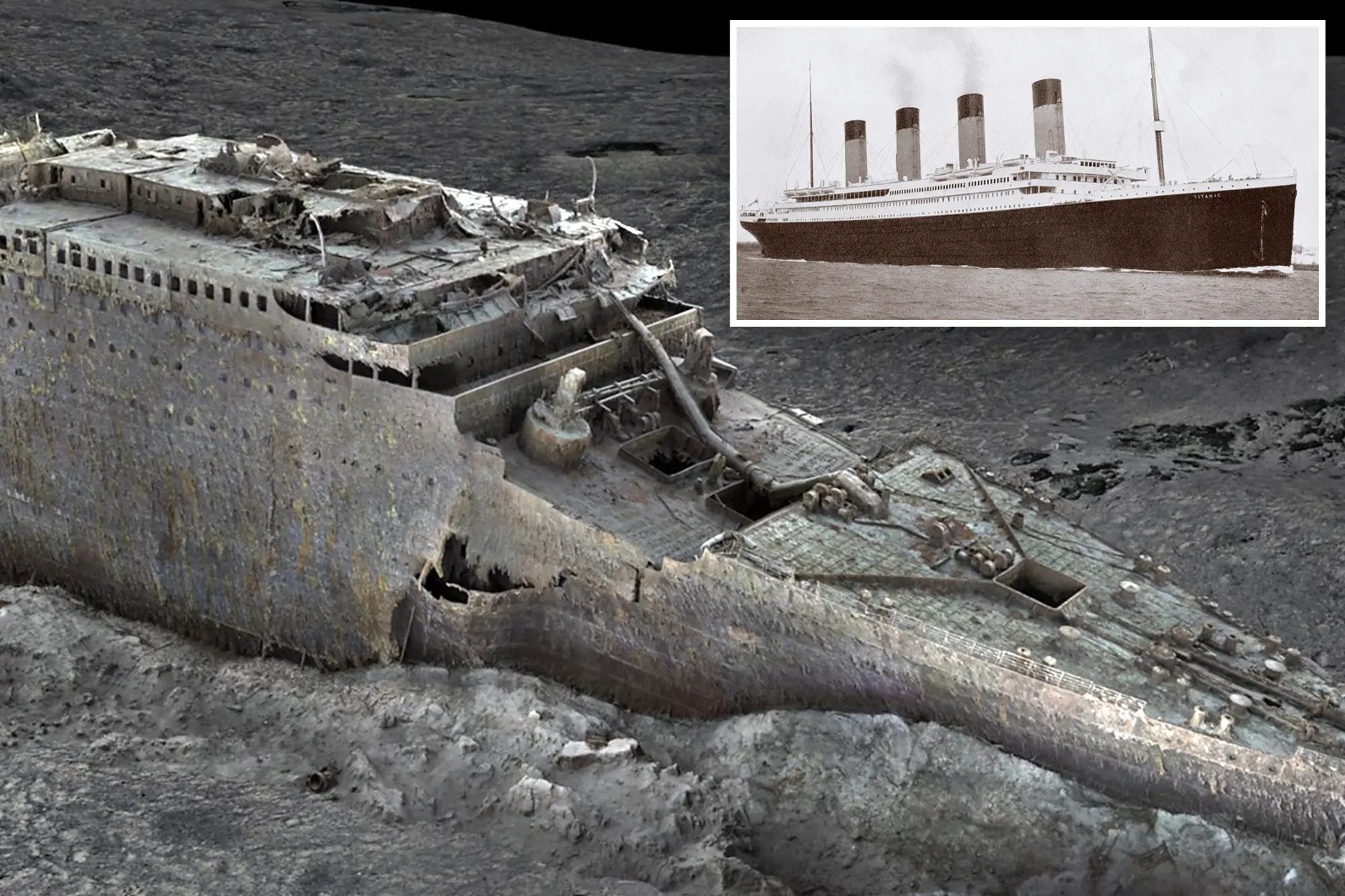
The Titanic was a British passenger liner that tragically sank on its maiden voyage in 1912.
- 1. Construction and Specifications: - The Titanic was built by the Harland and Wolff shipyard in Belfast, Northern Ireland. - It was one of three sister ships, along with the RMS Olympic and HMHS Britannic, collectively known as the Olympic-class liners. - The ship was 882 feet 9 inches (269 meters) long, 92 feet 6 inches (28 meters) wide, and had a gross tonnage of approximately 46,328 tons. - It had a total of nine decks, with accommodations for approximately 2,435 passengers and a crew of around 900.
- 2. Maiden Voyage: - The Titanic set sail from Southampton, England, on April 10, 1912, bound for New York City. - Onboard were many wealthy and prominent individuals, as well as immigrants seeking a new life in America. - The ship made stops in Cherbourg, France, and Queenstown (now Cobh), Ireland, before heading across the Atlantic.
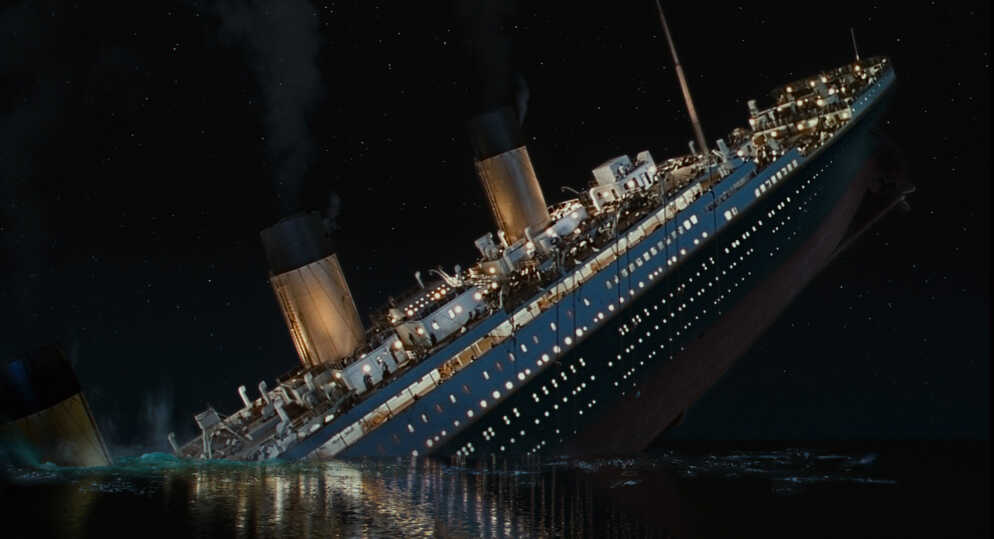
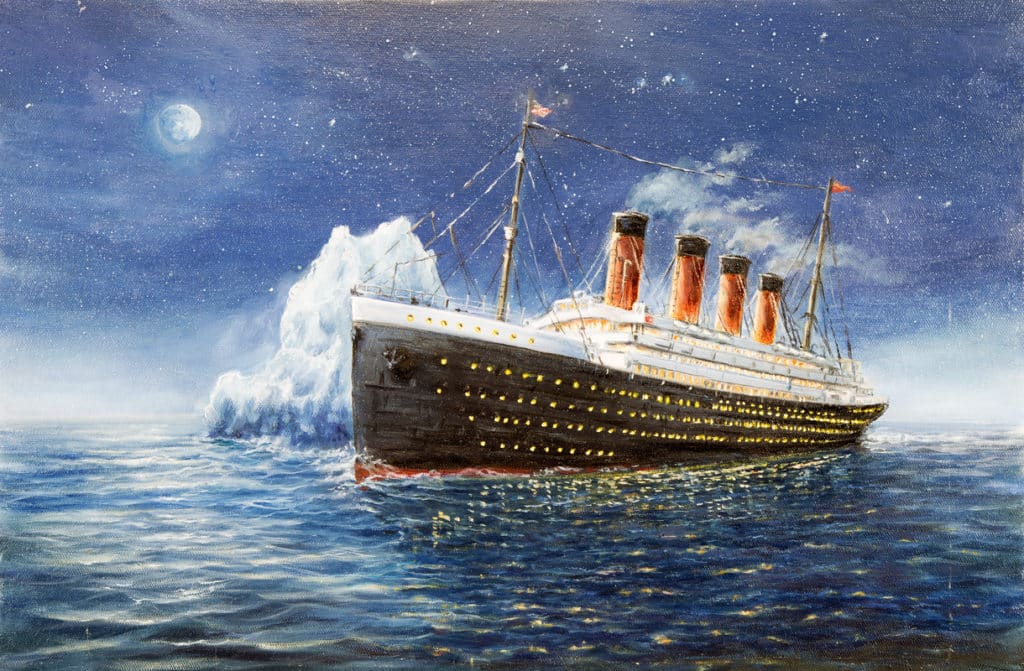
- 3. Collision and Sinking: - On April 14, 1912, at around 11:40 pm, the Titanic struck an iceberg in the North Atlantic Ocean. - The collision caused severe damage to the ship's hull, leading to flooding in several compartments. - Despite efforts to save the ship, it gradually filled with water and eventually broke apart, sinking in the early hours of April 15.
- 4. Casualties and Survivors: - Of the approximately 2,200 people on board, around 1,500 lost their lives in the disaster. - The majority of casualties were from third - class passengers due to limited access to lifeboats. - Survivors were rescued by nearby ships such as the RMS Carpathia, which arrived about two hours after the sinking.
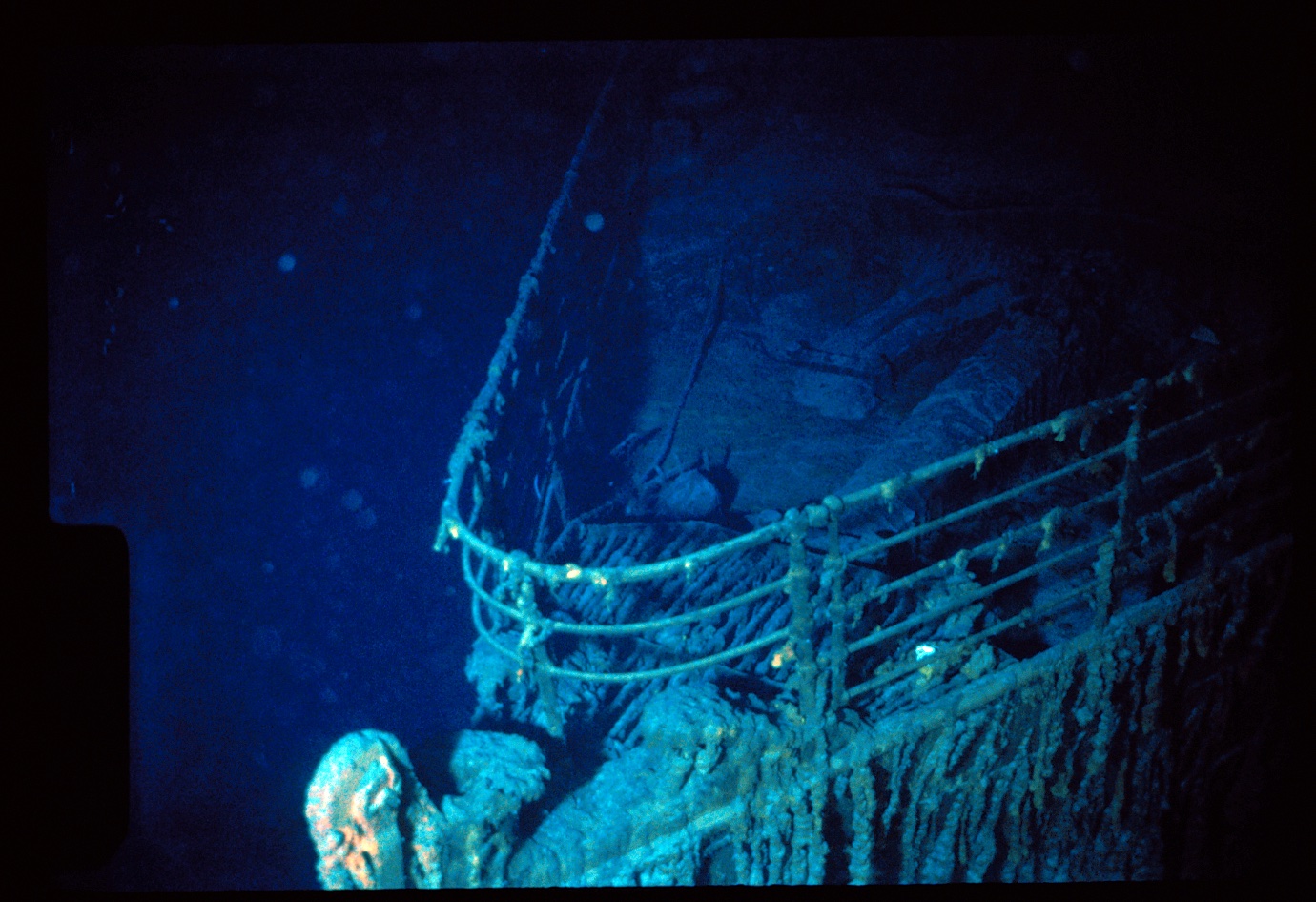
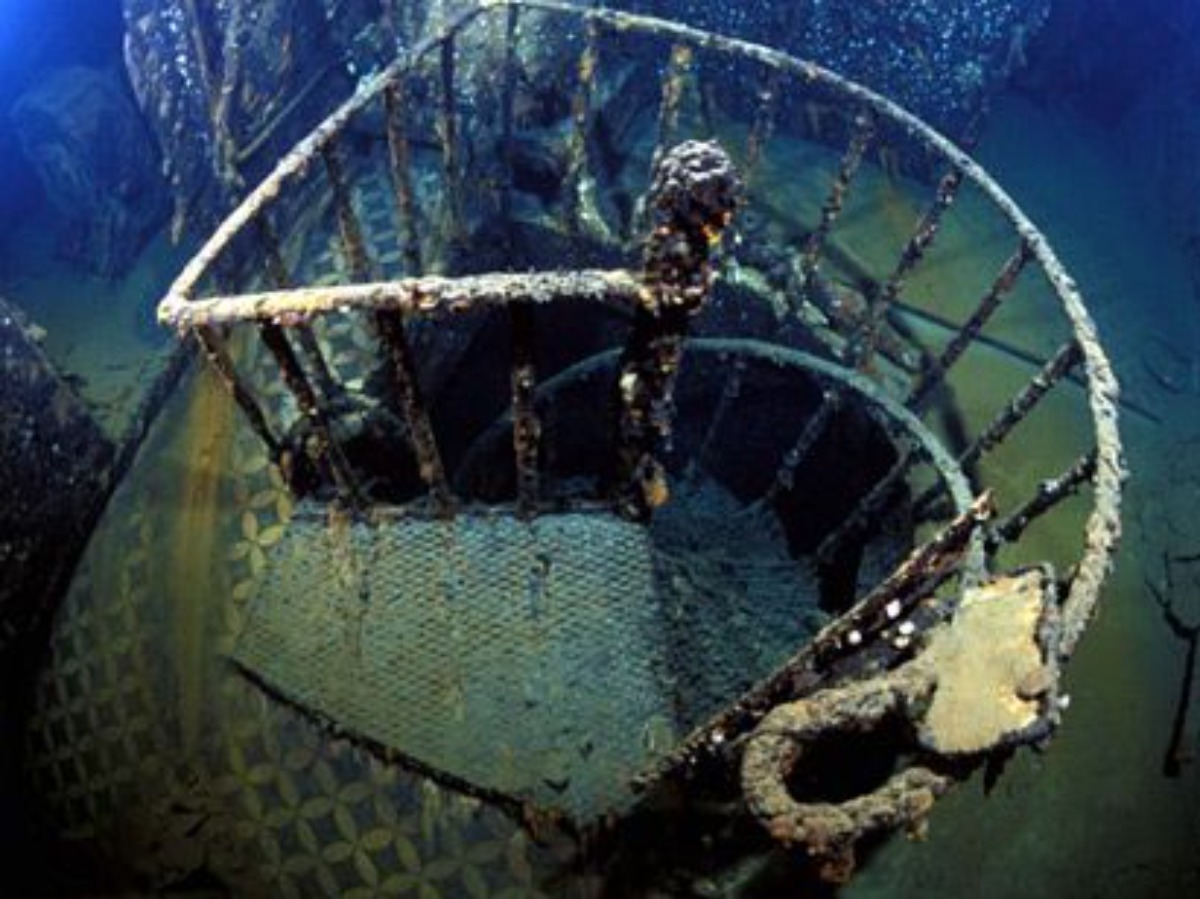
5. Aftermath and Impact: - The sinking of the Titanic led to significant changes in maritime safety regulations. - The disaster highlighted the need for sufficient lifeboats, improved communication systems, and increased attention to iceberg warnings. - It also sparked international inquiries and investigations into the circumstances surrounding the tragedy. 6. Rediscovery and Legacy: - The wreck of the Titanic was discovered in 1985 by a joint American. -French expedition led by Dr. Robert Ballard. - The ship's remains are located approximately 12,500 feet (3,800 meters) below the surface of the North Atlantic. - The Titanic's story has been widely documented in books, films, and documentaries, contributing to its enduring legacy as one of history's most famous maritime disasters.